
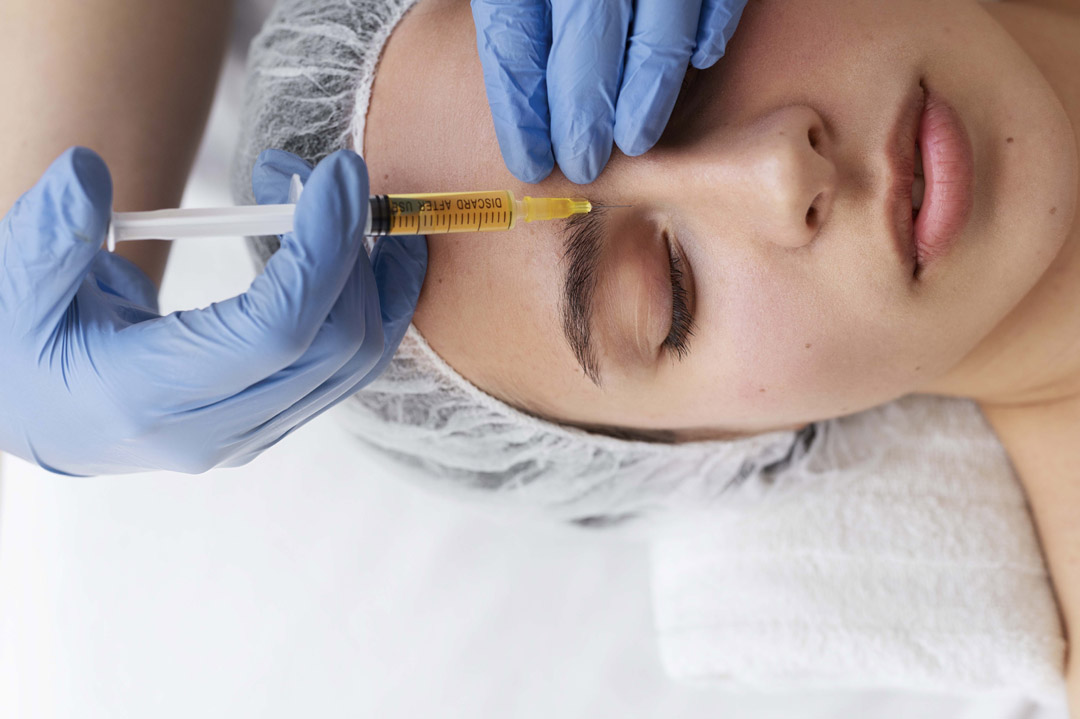
PRP and Mesotherapy are among the most impressive and natural skin rejuvenation treatments. PRP stands for Platelet Rich Plasma.
As dermatologists, we achieve impressive results with PRP treatment, not only on the face but also in preventing hair loss and treating skin pigmentation. Mesotherapy, on the other hand, stands out as a method delivering faster results. Combining the two methods is also possible. For under-eye renewal in particular, applying PRP and Mesotherapy together provides maximum benefit.
Differences Between PRP and Mesotherapy
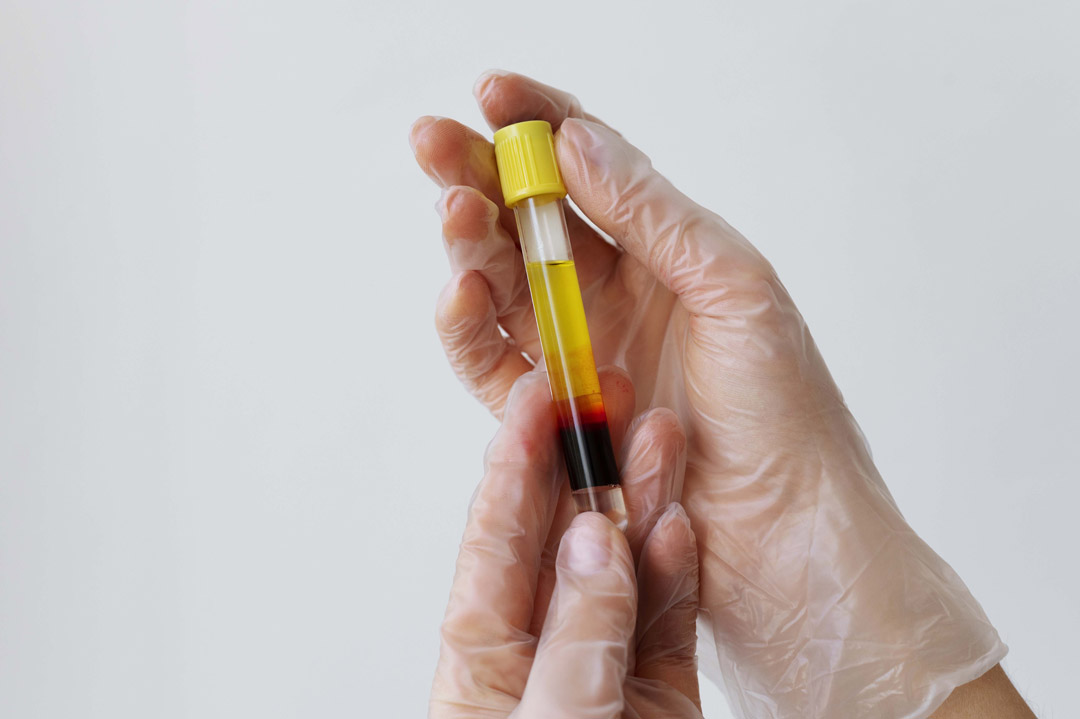
There are important differences between PRP and Mesotherapy, both used by dermatologists in skin rejuvenation. The two popular methods differ in content, application and mechanism of action. PRP uses platelet-rich plasma obtained from the patient's own blood. Mesotherapy uses externally prepared mixtures of vitamins, minerals and enzymes.
They also differ in session number and frequency. PRP is generally applied as 3-6 sessions, 2-3 weeks apart. Mesotherapy is typically 6-10 sessions on weekly intervals. In terms of duration and onset, PRP results are more lasting but appear later. Mesotherapy delivers faster results but requires regular maintenance.
Mechanisms of Action in Skin Renewal
In skin renewal, PRP and Mesotherapy act through different biological pathways. With PRP, platelets obtained from blood are full of growth factors. When injected into the target area by a dermatologist, they support cell repair, proliferation and angiogenesis (new blood vessel formation). Mesotherapy, in turn, delivers hyaluronic acid, vitamins, minerals, coenzymes and amino acids directly into the skin. Hyaluronic acid in particular retains water, increasing hydration and radiance.
Both methods stimulate collagen production, boost elasticity and strengthen skin resilience. As a result, wrinkles soften, spots fade and the skin looks more vibrant.
Which Method for Which Situation?
Choosing between PRP and Mesotherapy based on patient needs is critical for aesthetic results. A personalized treatment plan from a dermatologist is shaped around skin structure and concerns.
PRP is ideal for those who want a fully natural treatment using their own tissues, and is effective for accelerating subcutaneous healing. In genetic hair loss in particular, PRP is the first choice. Mesotherapy stands out for skin dehydration leading to dullness and for heavy pigmentation.
Combination Therapy for Maximum Results
The most impressive results in clinical experience come from using PRP and Mesotherapy together. The two methods should be considered complementary. Combination therapy delivers maximum effect by combining the advantages of both.
PRP has longer-lasting effects (6-12 months), while mesotherapy delivers faster but shorter results. Combined, they produce excellent outcomes in under-eye renewal, deep acne scars and hair loss. Mesotherapy delivers nutrients to the follicles; PRP strengthens roots and supports new growth.
In conclusion, PRP and Mesotherapy stand out among skin rejuvenation treatments. While PRP naturally boosts collagen production, mesotherapy delivers vitamins and minerals directly to the target area. Combined, they produce faster and more lasting skin renewal.