
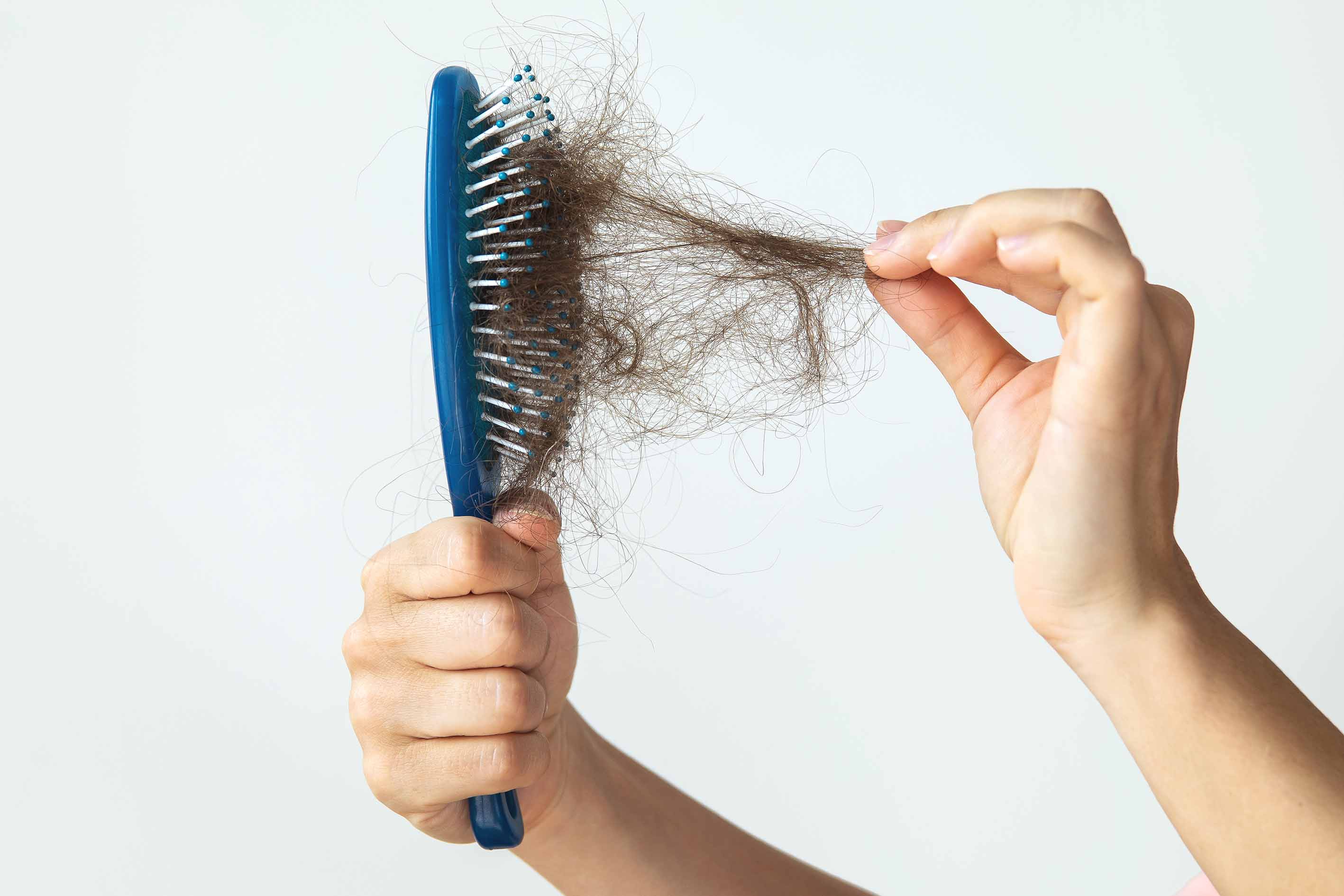
What Is Hair Loss?
Hair loss is considered a natural part of life. Yet it is a source of concern for many of us. This common problem can be localized to the scalp or spread to the entire scalp. Hair loss can be temporary (less than 6 months) or chronic (more than 6 months) and has different causes and consequences.
Normally, the scalp has about 250,000 hairs. A healthy person loses 50-100 hairs a day on average, which is considered normal. Counts above this are considered "excessive hair loss." On wash days, people with long or thick hair may see 150-200 strands. Each hair has its own life cycle, generally with three stages:
- Growth phase (anagen)
- Transition phase (catagen)
- Resting phase (telogen)
Why Does Hair Fall Out?
There are many answers to why hair falls out. Genetic predisposition leads the causes of hair loss. Hereditary hair loss, known as androgenetic alopecia, accounts for 99% of male hair loss. In men it typically begins as an M shape at the temples and progresses to the crown; in women it appears as general thinning.
Hormonal changes also play an important role. During pregnancy, increased estrogen levels strengthen hair, but after birth, when estrogen drops, hair loss is seen in one-third to one-half of women. Similarly, menopause and thyroid diseases can affect hormone levels and cause loss.
Nutritional deficiencies, especially inadequate protein intake, trigger hair loss. In addition:
- Iron deficiency (associated with telogen effluvium and androgenetic alopecia)
- Zinc (needed for keratin synthesis)
- Vitamin B12 (important for normal follicle function)
- Vitamin D (critical for hair growth and follicle health)
Stress is also a common cause. High stress increases cortisol and causes hair to enter the telogen (resting) phase early. Alopecia areata, an autoimmune disease that often appears in severe stress, also causes hair loss.
Some medications can lead to hair loss: blood thinners, drugs for arthritis, depression, heart disease and high blood pressure, and chemotherapy drugs. So when seeking an answer to what helps with hair loss, the first step is identifying the underlying cause.
The Effect of Daily Habits on Hair Loss
Our daily habits have a major impact on hair loss. Poor nutrition, a sedentary lifestyle and stress can weaken the follicles. Tying hair tightly, washing every day or not washing for too long can increase hair loss. Improper washing techniques and hot water can damage the scalp.
Styling products and methods also require attention. Constant heat (blow dryer, flat iron, curling iron) weakens hair. Gels, brilliantine and hair sprays do not cause loss directly, but the chemicals they contain can affect hair health in the long term.
Effective Solutions for Hair Loss
Scientifically proven solutions can be lifesaving in tackling hair loss. First, the type and severity of loss must be determined for proper treatment. Every concern has its own solution.
Medication
One of the most common approaches. Minoxidil lotions stop loss in two-thirds of cases after three months of daily use and produce noticeable regrowth in 35% of patients at six months. Finasteride neutralizes the causes of hair loss in 83% of men after six months of treatment.

PRP (Platelet Rich Plasma) Treatment
This involves injecting platelet-rich plasma obtained from the patient's own blood into the scalp. PRP treatment strengthens hair strands, reduces shedding and restores a healthy hair cycle.
Hair Mesotherapy
Hair mesotherapy injects nutrient mixtures containing vitamins, minerals, proteins and antioxidants directly into the scalp using microneedles. Typically three sessions are applied three weeks apart with no side effects. The treatment activates follicles for healthier, longer-lasting hair. It also boosts local blood circulation, improving nutrition of the follicles.
Some natural methods:
- Coconut oil: contains fatty acids that reduce protein loss
- Aloe vera: soothes the scalp and helps prevent dandruff
- Rosemary oil: promotes new hair growth
A balanced diet is also vital for hair health. Eating foods rich in iron, zinc, B vitamins and protein helps prevent loss. Regular scalp massage speeds blood circulation, addressing inadequate nutrition - one of the answers to why hair falls out.
While hair loss looks complex, with the right approach it can be managed effectively. If you lose more than 100-150 strands a day, identifying the underlying cause comes first. Across a wide range from genetics to nutritional deficiencies, finding the source is the first step to successful treatment.