
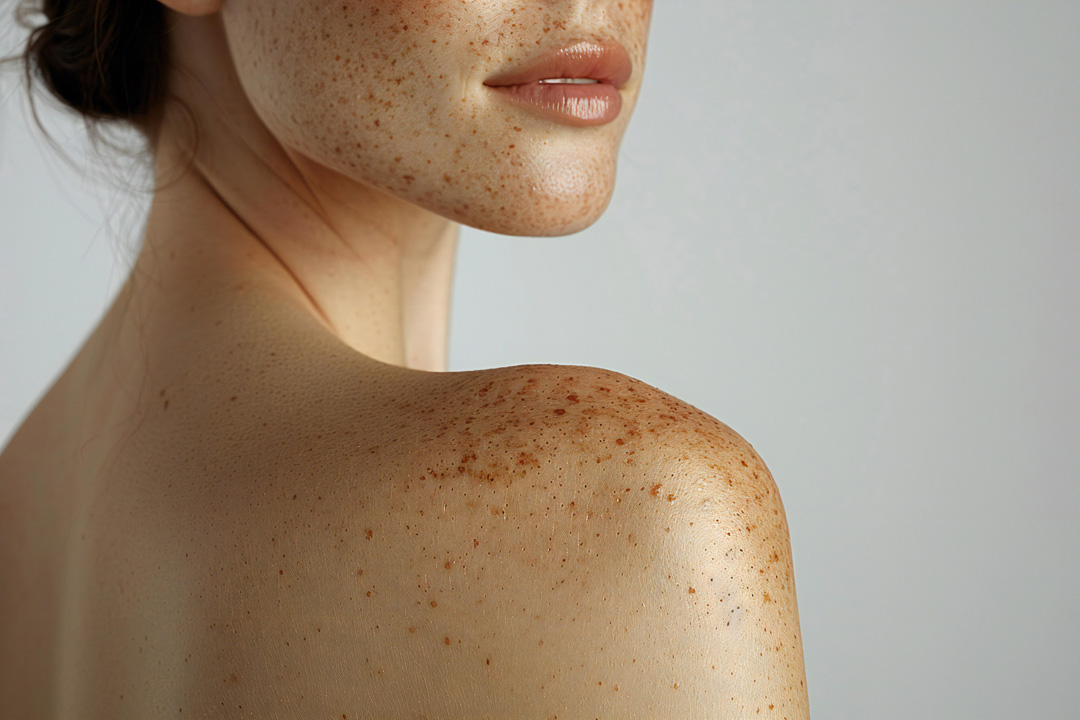
Lentigo refers to pigment spots in brown or black tones with distinct borders and generally a flat structure that appear on the skin, especially in sun-exposed areas. These spots form as a result of the concentration of melanin pigment in certain areas and are most often seen on the face, hands, shoulders, and décolleté area.
Although it can increase over time and is mostly considered harmless, some types should be evaluated carefully. According to Assoc. Prof. Dr. Nur Cihan Coşansu, lentigo is an important skin problem that both creates aesthetic concerns and requires accurate diagnosis. For this reason, it is of great importance to detect it early and manage it with an appropriate treatment plan.
What Is Lentigo and How Does It Form?
Lentigo is defined as dark-colored spots, generally with distinct borders, that form as a result of an increase in melanin pigment in certain areas of the skin. These spots appear as a result of the skin's natural response to sun rays. Ultraviolet (UV) rays in particular stimulate the pigment cells called melanocytes and increase melanin production, leading to color changes on the skin surface.
Sun damage accumulated over time is considered one of the most important causes of its formation. For this reason, such spots are mostly seen more frequently in middle-aged and older individuals. However, early-stage development can also be observed in young individuals exposed to intense sun. This process can accelerate depending on skin type and lifestyle.
What Are the Types of Lentigo?
Lentigo can appear in various types with different clinical features. Each type differs in terms of cause of formation and development process. For this reason, accurate diagnosis is of great importance in determining the appropriate treatment approach.
The most common types are classified as follows:
- Solar Lentigo (Sun Lentigos): The most common type, which develops as a result of long-term sun exposure
- Lentigo Simplex: Not directly related to the sun, generally appears in childhood
- Lentigo Maligna: A type that can be a precursor to melanoma and must be carefully monitored
Among these types, lentigo maligna requires regular dermatological follow-up as it carries potential risk. Early diagnosis plays a critical role in preventing possible complications.
Causes of Lentigo and Risk Factors
Multiple factors play a role in its formation. Knowing these factors is important both for its formation, which is not due to a single cause; it is a process that develops with the combination of multiple factors. Knowing these factors is important both for determining protection strategies and planning the treatment process. Environmental and genetic factors in particular can directly affect pigment production.
The main risk factors that trigger the formation of lentigo are:
- Long-term and unprotected sun exposure
- Advanced age and UV damage accumulated in the skin
- Fair skin tone and sensitive skin structure
- Genetic predisposition
- Use of tanning beds
These factors increase melanin production, paving the way for pigmentation in the skin. For this reason, sun protection, regular skin care, and dermatological follow-up play an important role in preventing its formation.
Lentigo Treatment Methods
The main goal in the treatment of lentigo is to reduce the appearance of the spots and even out the skin tone. Assoc. Prof. Dr. Nur Cihan Coşansu emphasizes that the treatment plan must always be determined individually.
Topical Creams
Creams containing hydroquinone, retinoid, and vitamin C help lighten the spots by reducing melanin production. These products provide effective results with regular use but should be used under dermatologist supervision.
Laser Treatments
Q-Switched 532nm laser and fractional laser applications offer fast and effective results by targeting pigmented cells. Sun protection after laser treatment is of great importance.
Chemical Peeling
Peeling applications such as glycolic acid and TCA reduce the appearance of spots by renewing the upper layer of the skin. They also make the skin texture smoother.
Cryotherapy (Cold Treatment)
The cryotherapy method with liquid nitrogen can be used in some types of lentigo. This method ensures the destruction of pigmented cells.
Protection and Prevention in Lentigo Treatment
Another issue as important as treatment is preventing the formation of lentigo.
- Use of sunscreen (SPF 30 and above)
- Not going out during peak sun hours
- Using hats and protective clothing
- Performing regular skin care
These measures both prevent existing spots from darkening and reduce the formation of new spots.
When Is Lentigo Dangerous?
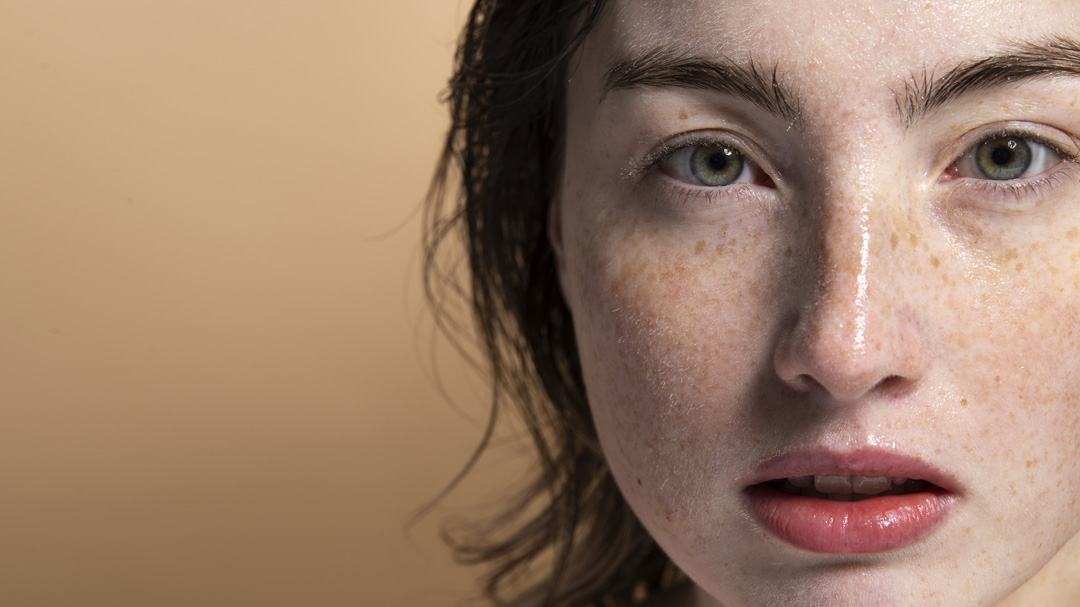
Not every lentigo is harmless. A dermatologist should be consulted in the following situations:
- Rapid growth in the spot
- Color change or irregularity
- Indistinct borders
- Bleeding or crusting
These symptoms may be the harbingers of more serious skin problems.
Lentigo is one of the most commonly seen pigmentation problems on the skin and is mostly associated with sun damage. According to Assoc. Prof. Dr. Nur Cihan Coşansu, the appearance of these spots can be greatly reduced with accurate diagnosis and appropriate treatment methods.
Methods such as topical products, laser treatments, and chemical peeling offer effective options in the treatment of lentigo. However, another element as important as treatment is sun protection.
It should not be forgotten that every new spot that forms on the skin should be evaluated carefully. For a healthy and balanced skin appearance, regular dermatological checkups and proper care habits are indispensable.