
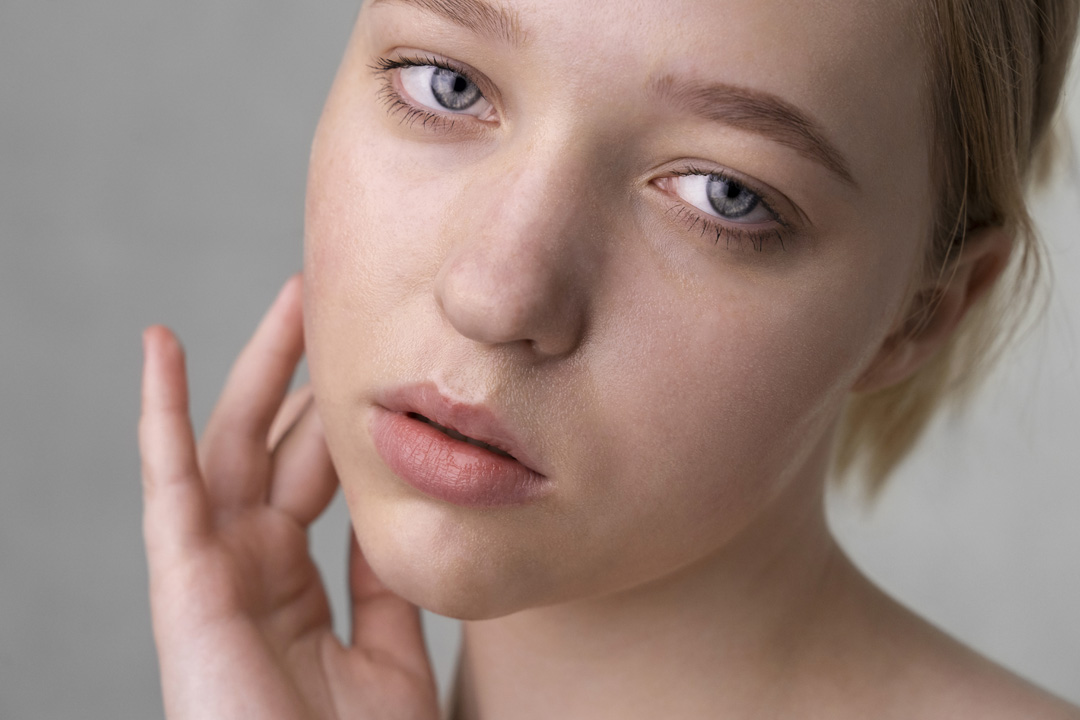
Enlarged pores are a common skin problem that many people experience. Although it generally appears on the T-zone (forehead, nose, chin), it can also be seen in other areas. Various effective treatment methods are available for enlarged pores in modern dermatology. In this article, we will examine in detail which treatments are suitable for enlarged pores.
What Are Enlarged Pores?
Pores are small openings on the skin surface that release sweat and sebum. When these openings are larger than normal, they become visible to the naked eye. Enlarged pores can negatively affect skin appearance.
Causes of Enlarged Pores
- Genetic Factors: Family predisposition
- Oily Skin Type: Excessive sebum production
- Aging: Loss of collagen
- Sun Damage: UV ray damage
- Hormonal Changes: Adolescence, pregnancy
- Improper Skin Care: Harsh products
- Stress: Hormonal effect
- Diet: Sugar and processed foods
Treatment Methods for Enlarged Pores
1. Topical Treatments
Retinoids
Retinoids accelerate skin cell renewal and help reduce pores. Tretinoin, retinol, and adapalene are effective options.
Salicylic Acid (BHA)
Cleanses pores and prevents acne. Particularly effective on oily skin.
Glycolic Acid (AHA)
Provides skin renewal and helps reduce pores.
Niacinamide
It is an effective ingredient that regulates sebum production and helps reduce pores.
2. Chemical Peeling
Chemical peeling is one of the most effective treatments for reducing pores. Different acids are used:
- Glycolic Acid Peel: Light peel
- Salicylic Acid Peel: For oily skin
- Jessner Peel: Medium-depth peel
- TCA Peel: Deep peel
3. Microneedling
Microneedling stimulates collagen production by creating microscopic damage to the skin. It is effective in reducing pores. Generally 3-4 sessions are required.

4. Fractional Radiofrequency
Fractional radiofrequency reduces pores by stimulating collagen production with RF energy. Long-lasting and effective.
5. Laser Treatments
- Fractional CO2 Laser: Very effective on pores
- Er:YAG Laser: Surface renewal
- Nd:YAG Laser: Reduces oiliness
- Q-Switched Laser: Effective on pigmentation
6. Botox Application
Microbotox application reduces pores by reducing sebum production. Lasts 4-6 months.
7. PRP Treatment
It is a natural method that uses growth factors from the patient's own blood. Helps reduce pores by stimulating collagen production.
8. HydraFacial
HydraFacial cleanses pores and revitalizes the skin. Pain-free and effective.
Selection of Treatment Plan
By Skin Type
- Oily Skin: Salicylic acid, BHA peel, microbotox
- Mixed Skin: Niacinamide, gentle peel, microneedling
- Dry Skin: Retinol, glycolic acid, HydraFacial
- Sensitive Skin: Gentle exfoliation, niacinamide
By Age
- Adolescent: Salicylic acid, gentle peel
- Young Adult: Retinol, microneedling
- Middle Age: Laser, radiofrequency
- Mature Age: Combined treatments
Daily Skin Care
Cleansing
- Cleansers containing salicylic acid
- Mild cleansers
- Use warm water
- Avoid excessive cleansing
Toner
- Alcohol-free
- Containing BHA
- Hydrating
- Pore-reducing
Serum
- Niacinamide
- Vitamin C
- Hyaluronic acid
- Retinol (night)
Moisturizer
- Non-comedogenic
- Water-based
- Light formula
- Suitable for skin type
Sun Protection
- At least SPF 30
- Daily use
- Non-comedogenic
- Reapply
Things to Avoid
- Harsh exfoliation
- Hot water
- Excessive cleansing
- Comedogenic products
- Smoking
- Excessive sun
- Stress
Effect Duration
The effect duration of treatments varies by method:
- Topical Treatments: Continuous use
- Peel: 6-12 months
- Microneedling: 1-2 years
- Radiofrequency: 1-2 years
- Laser: 2-3 years
- Botox: 4-6 months
The right treatment plan should be determined for enlarged pores. Personalized treatment plans developed with an expert dermatologist will help solve your pore problems. Don't forget, regular care and the right products are the keys to long-lasting beauty.