

Skin health in winter is among the topics most emphasized by dermatologists. Cold weather, low humidity, and wind can lead to serious barrier damage in the skin. This situation increases moisture loss, causing dryness, itching, and irritation. Professional care supported by dermatological products should be applied to keep the skin moisturized in winter.
To preserve the skin's moisture balance, it is recommended to choose moisturizers formulated under dermatologist supervision. In particular, advanced clinical moisture therapies and barrier-strengthening serums reduce the effects of cold weather. Thus, the skin becomes more resistant to external factors and maintains its healthy appearance throughout the winter season.
Why Does the Skin Get Dry in Winter?
Cold weather weakens the skin's protective barrier and accelerates transepidermal water loss. For this reason, keeping the skin moisturized in winter is of great importance in terms of balancing this physiological process. Temperature changes and low humidity negatively affect the epidermal structure. This situation results in the skin tightening and flaking.
It is known that excessively hot showers and alcohol-based cleansers disrupt the skin barrier. For this reason, the regular use of dermatologically tested, pH-balanced products is recommended. Frequent and prolonged showers are also not recommended as they will increase intense and rapid moisture loss.
Moisturizing Strategies According to Skin Type in Winter
Dermatologists recommend creating skin-type-specific care plans to keep the skin moisturized in winter. For example, medical moisturizers containing ceramides and hyaluronic acid should be preferred for dry skin. For oily skin, however, water-based formulas that do not clog pores are recommended. In this way, skin balance is maintained without disruption.
To reduce the risk of allergies in sensitive skin, fragrance-free and alcohol-free products should be selected. For combination skin, regional approaches should be individually determined by dermatologists. When necessary, deep moisture support can be provided with applications such as mesotherapy or dermal moisture injections.
Daily Habits to Keep the Skin Moisturized
Dermatologists emphasize that not only a cosmetic but also a medical approach is necessary to keep the skin moisturized in winter. As important as daily water intake is, choosing products suitable for the skin structure is also important. Moisturizers and barrier-repair creams should be used in daily care. These products should be chosen with dermatologist recommendation.
According to expert opinion, the skin should not be cleansed more than twice a day. When necessary, medical skin care performed in dermatology clinics deeply regulates the moisture level. In addition, professional care combined with appropriate product selection prevents the skin from drying out in winter.
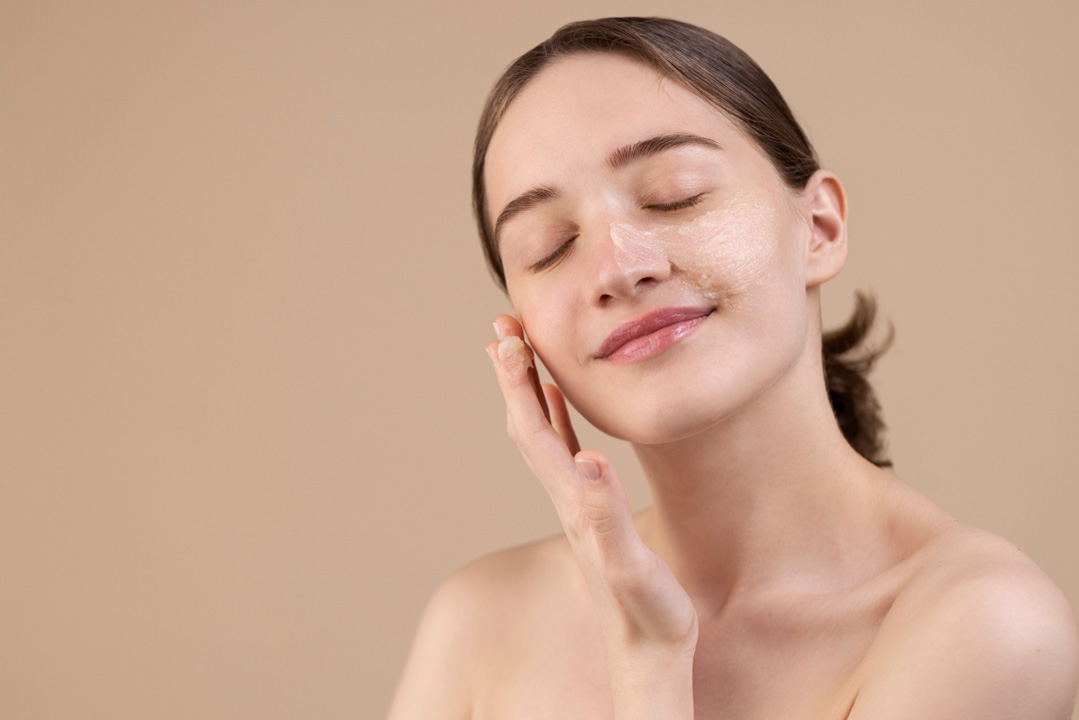
6 Effective Methods That Can Be Applied to Keep the Skin Moisturized in Winter
During the cold winter season, the skin barrier weakens and the risk of drying increases. The 6 effective methods recommended by dermatologists to keep the skin moisturized in winter are as follows:
- Moisturizer should be applied within 5 minutes after showering. During this time, skin moisture is locked in and drying is prevented. Oil-based intensive moisturizers should be preferred.
- Bath time should be kept under 20 minutes and lukewarm water should be used. Hot water destroys the skin's natural oils.
- Air humidifiers should be used in indoor spaces. Alternatively, a wet towel can be placed on the radiator.
- The skin should be gently cleansed morning and evening with soap-free cleansers. Alcohol-based products should be avoided.
- Lip balm should be used regularly to prevent dryness and cracking on the lips. The lips should not be moistened with saliva.
- Regular peeling application should be performed. Winter is the most suitable time for peeling. Thus, dead skin is removed and the absorption of skin care products increases.
It is necessary to use gloves to protect the hands from the cold and to apply moisturizer frequently to keep the skin moisturized. The use of sunscreen for winter skin care should not be forgotten. UV rays are especially more effective in snowy weather. For moisturized skin, foods containing vitamins A, C, and E should be consumed.
In conclusion, water consumption and a balanced diet are important for keeping your skin moisturized. In addition, shower times should be kept short and lukewarm water should be preferred. Your skin should be treated gently, and harsh chemicals should be avoided. Lips and hands should be especially protected. With all these measures, your skin will be protected against dryness in winter. A healthy skin barrier is indispensable both for appearance and health.