
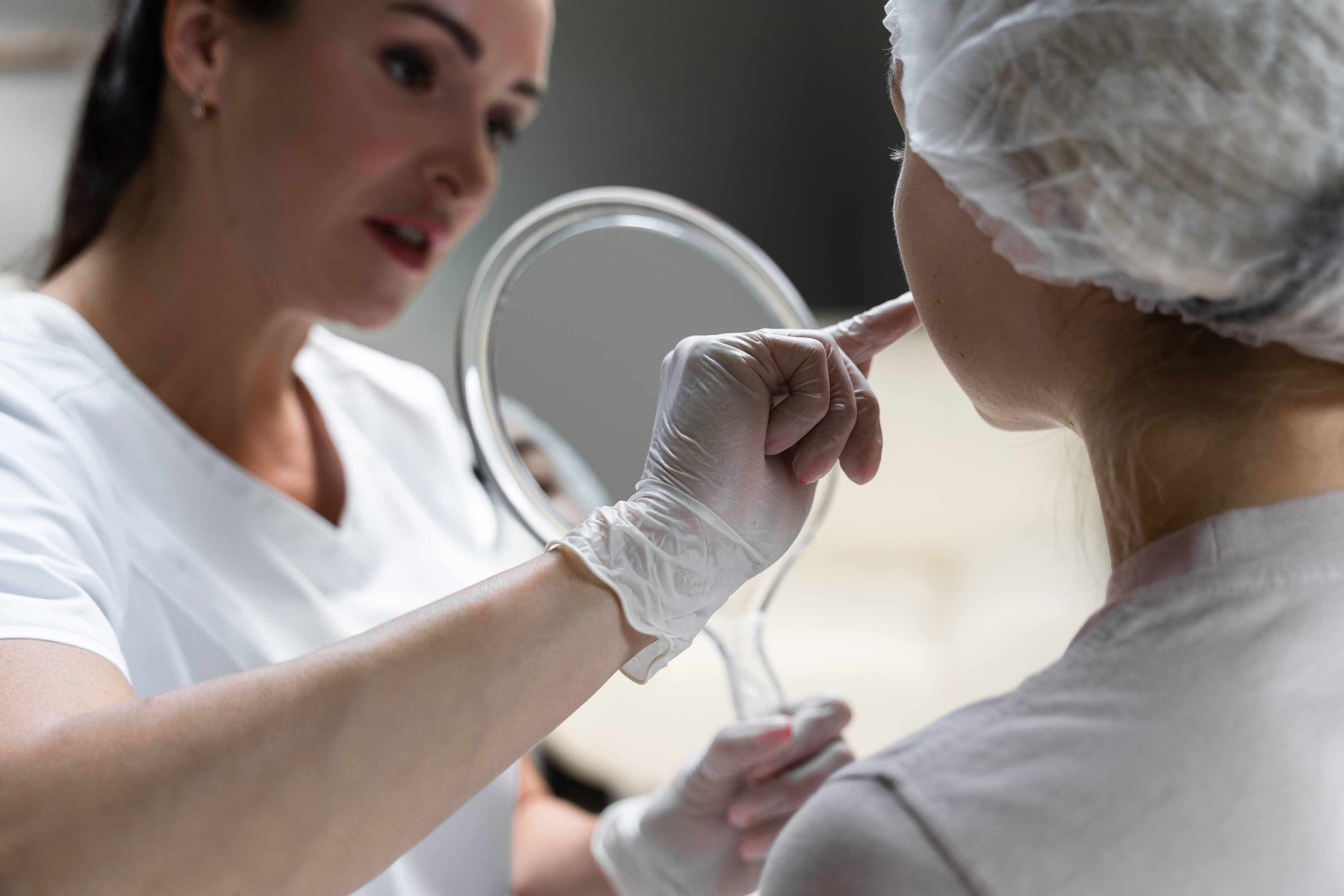
Dermatology is concerned with the health of the skin, the largest organ of the human body. It is an important medical field that affects our quality of life both physically and psychologically. Our skin health directly influences our social and psychological well-being. For this reason, getting expert support in this field is of great importance.
What Is Dermatology?
Dermatology is a comprehensive medical specialty defined as the science of the skin, dealing with the diagnosis and treatment of skin diseases. Officially also referred to as "Skin and Venereal Diseases Specialty," this science is not limited to the skin alone. It is a broad area of expertise that also encompasses skin appendages (hair, nails, sweat glands), mucous membranes, and sexually transmitted diseases.
The skin is the largest organ in our body. Acting as a protective barrier, it shields us from diseases and regulates body temperature. For this reason, dermatology holds great importance from both medical and aesthetic perspectives. Scientific research shows there are more than 3,000 diseases affecting the skin, hair, and nails. Additionally, dermatology specialists do not only treat diseases. They also address all dermocosmetic concerns, including toxin, filler, and energy-based device applications that help the skin look healthier and more vibrant.
Why Is It Important?
Skin diseases affect a person's appearance, profoundly influencing their social and emotional state. For this reason, dermatology is important not only for our physical health but also for our psychological well-being. The skin, the largest organ of the body, performs vital functions such as maintaining water balance, protecting against UV rays, and regulating body temperature. In serious diseases like skin cancer, early diagnosis increases treatment success. While the chance of diagnosing melanoma with the naked eye is 75%, this rate rises to 95% with digital dermoscopic examination.
Dermatological diseases commonly encountered in primary healthcare can lead to stigmatization and social isolation. Research shows that these diseases also increase the risk of anxiety and depression. Dermatology specialists evaluate patients' quality of life and shape treatment plans accordingly. This way, they aim to prevent psychosocial issues.
In recent years, the developing field of psychodermatology has shown that skin problems can stem not only from external factors but also from psychological factors. This approach provides important benefits to patients in terms of both skin health and overall quality of life.
What Does Dermatology Cover?
It covers a very broad range of diseases. Dermatology specialists deal not only with the skin but also with the diagnosis and treatment of hair, nails, oral mucosa, and sexually transmitted diseases.
The most comprehensive answer to "what does dermatology cover" includes thousands of different skin diseases. Among the main conditions it treats are acne, pimples, eczema, psoriasis, fungal infections, urticaria, sun allergy, Behçet's disease, and skin cancers. Moles, warts, capillary vessel problems, and pigmentation also fall within the field of dermatology.
For nails, conditions such as thickening, fungal diseases, ingrown nails, and paronychia are also of interest to dermatology. For hair diseases, conditions such as dandruff, alopecia areata, seborrheic dermatitis, hair loss, and infections are treated by dermatologists.
Main Subspecialties of Dermatology
Since dermatology is a comprehensive field, it is divided into various subspecialties:
- Dermatoallergology: Deals with skin allergies, itching, urticaria, and drug allergies.
- Dermato-oncology: Focuses on the diagnosis and treatment of malignant tumors such as skin cancers and melanoma.
- Interventional Dermatology: Covers surgical procedures such as biopsy, wart treatment, and mole removal.
- Cosmetic Dermatology: Includes aesthetic procedures such as botox, fillers, laser treatments, PRP, and mesotherapy.
- Sexually Transmitted Diseases: Treats infectious diseases such as genital warts, herpes, and syphilis.
Additionally, the initial symptoms of some systemic diseases can appear on the skin. Liver, heart, lung, and kidney diseases in particular can manifest through various changes in the skin and nails. For this reason, dermatology plays an important role not only in skin diseases but also in evaluating the body's overall health status.

How Does One Become a Dermatologist?
Becoming a dermatology specialist is a long and dedicated journey. First, a 6-year Medical School education must be completed. Then, after obtaining a qualifying score on the Medical Specialty Exam (TUS), specialty training in Skin and Venereal Diseases begins. Physician candidates who pass TUS successfully receive both theoretical and practical training during a 4-5 year residency. They gain experience in outpatient services, interventional procedures, and inpatient care. During residency, they must complete rotations in fields such as internal medicine, medical pathology, plastic surgery, and psychiatry. They must also prepare and present a thesis in the field of dermatology during this period.
The medical education and specialty training process takes about 10-12 years in total. At the end of this long journey, dermatology specialists become competent in the diagnosis and treatment of skin diseases as well as in protecting and caring for skin health. They may have various career options, including public hospitals, private hospitals, academic institutions, or working abroad. This process is significant not only for individual achievement but also for public health.
In conclusion, our skin health directly affects our quality of life both physically and psychologically. Therefore, it is important to consult a dermatology specialist without delay for any skin problem. As specialist physicians, we continue to provide our patients with the most appropriate treatment methods using all the possibilities of modern medicine.