
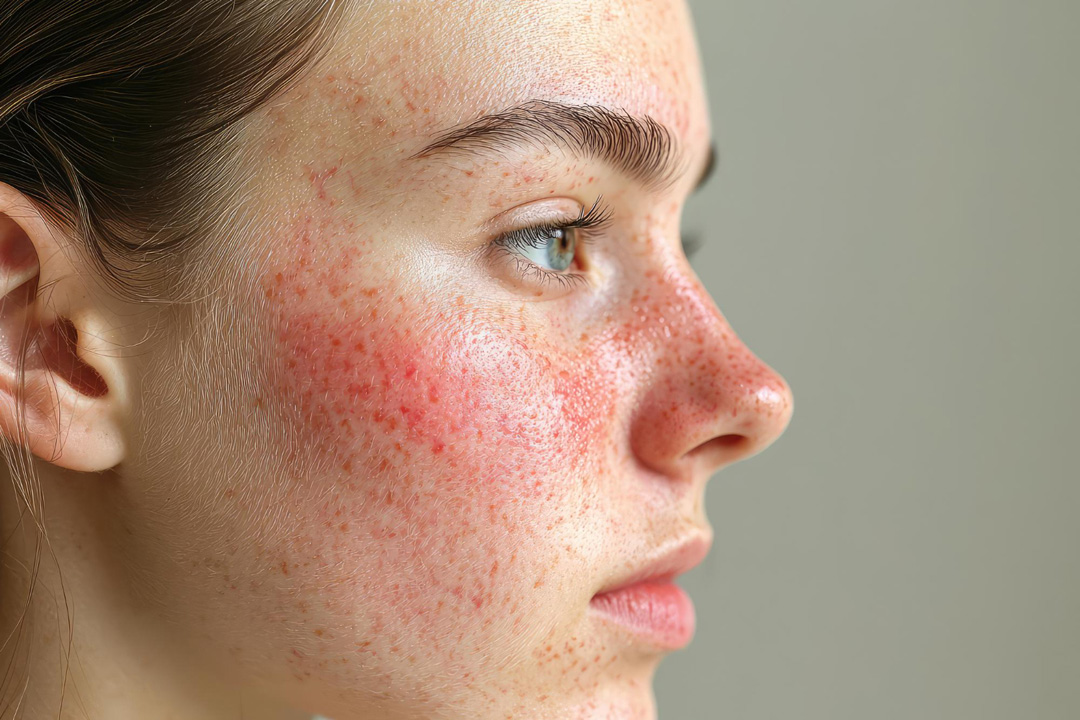
Rosacea is a common skin condition that causes facial redness and acne-like bumps. It is more common in middle-aged, fair-skinned people but can affect anyone. About a quarter of patients have a family member with similar complaints.
What Is Rosacea and Whom Does It Affect?
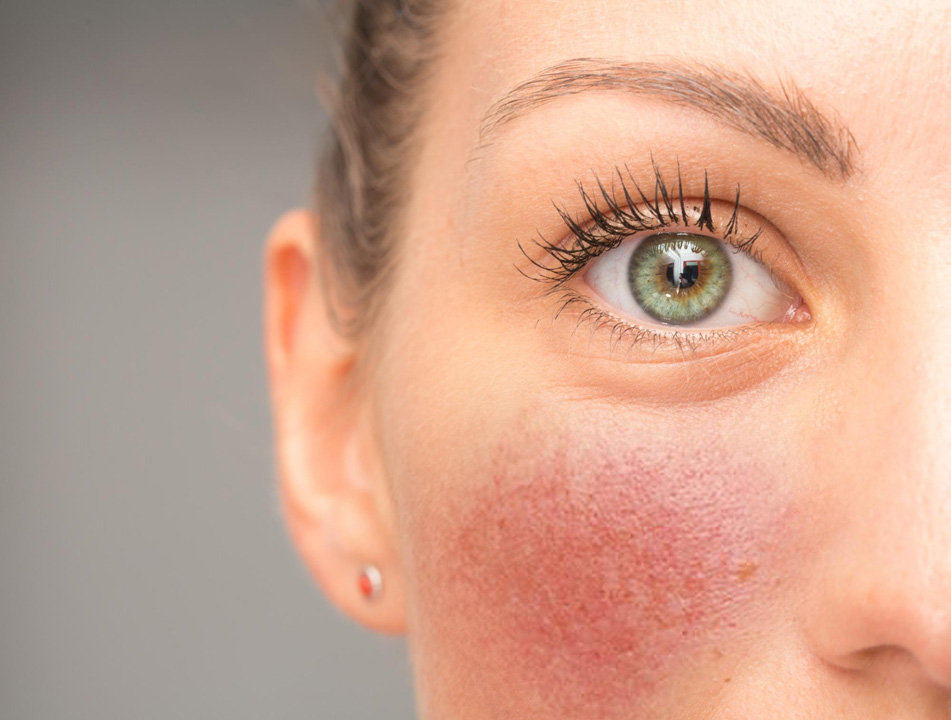
In the medical literature, rosacea is also called rose disease. It appears as redness, acne-like swellings and increased vascular visibility on the nose, cheeks, forehead and chin. It can also affect the neck, chest and area around the eyes.
Viewed from a dermatological perspective, the question of what rose disease is answers with flare-ups lasting weeks or months and temporary improvements. Roughly 5% of the global population complains of this condition. Women (5.9%) are affected more often than men (4.4%), although the disease can be more severe in men.
Rosacea is most common in people aged 30-50 and in fair-skinned individuals. It is observed in 3.7% of adults aged 25-39 and in 3.2% of young people aged 16-24. There are four main types:
- Erythematotelangiectatic
- Acne rosacea (papulopustular)
- Rhinophyma
- Ocular rosacea
Rosacea is chronic and runs in flares. Medical treatment combined with energy-based device applications significantly reduces flare frequency and severity. The most commonly used energy-based devices in rosacea treatment are BBL, KTP/Nd:YAG laser and Pro Yellow lasers. Quadrostar Pro Yellow is an advanced laser technology. Thanks to its 577 nm yellow light, it targets capillaries to reduce redness, vascular visibility and tone irregularities. Delivering effective results without damaging the skin surface, it is a short, comfortable treatment option. However, because rosacea type and severity vary by person, a treatment plan must always be set by a dermatology specialist.
Contributing Factors
The exact cause of rosacea is still not precisely defined. However, many contributing factors have been scientifically identified. Genetic predisposition is supported by family history in about 30-40% of patients, although no clear genetic transmission has been confirmed. Pathological levels of the antimicrobial protein cathelicidin cause excessive skin inflammation. Imbalances in skin flora and increased density of Demodex mites also play roles in rose disease.
A strong link has also been found between rosacea and Helicobacter pylori, often seen in stomach issues. Vascular problems and nervous system imbalances also contribute to flares. Exposure to UV rays, especially in fair-skinned individuals, can drive conditions requiring rosacea treatment.
Environmental and Lifestyle Triggers
Several day-to-day factors can trigger or worsen rosacea symptoms.
- Sunlight: One of the most common environmental triggers. Sudden temperature changes also cause rapid dilation and contraction of blood vessels.
- Eating habits: Spicy foods, hot drinks, alcohol, caffeine, chocolate and cinnamaldehyde-containing foods (tomato, citrus, cinnamon) can exacerbate symptoms.
- Psychological stress: Plays a major role in worsening symptoms. Stress hormones can increase facial redness and cause vascular dilation.
- Other factors increasing skin sensitivity: Perfume, alcohol-containing skincare, cologne, toner, rose water and wet wipes.
- Hormonal changes: Menopause, pregnancy or premenstrual periods can intensify symptoms.
In summary, rosacea is considered a multifactorial skin condition. Genetic predisposition, immune dysregulation and environmental factors all play important roles.