

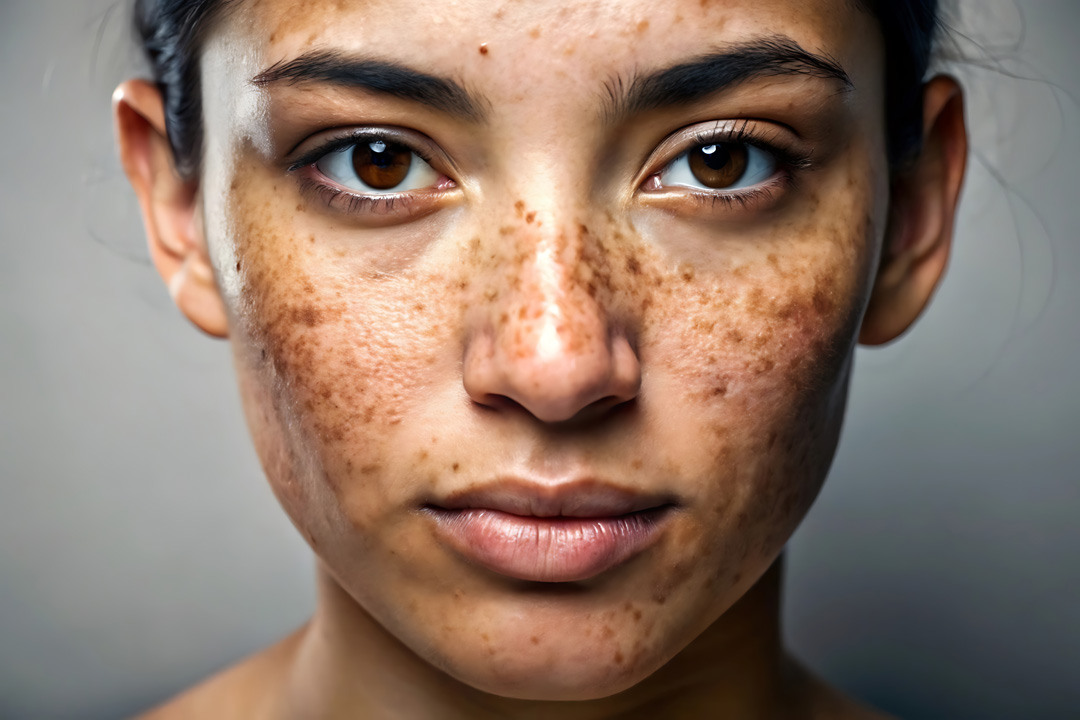
Pigmentation refers to color differences caused by increased or uneven melanin production in the skin. Sun exposure, hormonal changes, skin injuries and certain medications are among the most common causes of pigmentation. Especially on the face, these spots can create aesthetic concerns and affect quality of life. According to Assoc. Prof. Dr. Nur Cihan Coşansu, success in pigmentation treatment depends on choosing the right methods based on the type and depth of the spot and the patient's skin.
The Most Common Clinical Methods in Pigmentation Treatment
Topical Brightening Creams and Serums
Preferred as a first-line treatment for superficial and mild pigmentation concerns.
- Hydroquinone: Brightens by suppressing melanin synthesis.
- Retinoids: Accelerate cell turnover and regulate melanin distribution.
- Vitamin C: Helps reduce spot visibility with its antioxidant effect.
These products should be used under dermatologist supervision and for the recommended duration.
Chemical Peeling
Chemical peels exfoliate the upper layer of the skin in a controlled way to initiate renewal.
- Glycolic acid, salicylic acid and TCA peels are commonly used options.
- Tone is evened and pigmentation visibility is reduced.
- Post-treatment sun protection is mandatory.
Laser and Light-Based Treatments
Laser technologies deliver effective results for moderate to deep pigmentation.
- Q-Switched Nd:YAG laser: Targets deep melanin deposits.
- BBL/IPL (Intense Pulsed Light): Stimulates skin renewal and helps lighten superficial spots such as freckles.
These treatments must be planned and performed by experienced dermatologists.
Mesotherapy and PRP
Used as supportive and complementary treatment options.
- Mesotherapy delivers brightening vitamins and antioxidants to the skin.
- PRP (Platelet Rich Plasma) supports skin renewal and helps reduce pigmentation.
Post-Treatment Considerations
- Sun protection: The most critical step for treatment success. SPF 50+ broad-spectrum sunscreen should be used regularly.
- Gentle skincare: Avoid irritating products; cleansing and moisturizing must follow your dermatologist's recommendations.
- Regular follow-up: Follow-up visits to evaluate response and update methods if necessary should not be skipped.
The most effective approach in pigmentation treatment is the right combination of clinical methods tailored to the individual. Options range from topical brightening products to chemical peels and laser treatments. According to Assoc. Prof. Dr. Nur Cihan Coşansu, patience, regular skincare and sun protection are the cornerstones of success. Through scientific approaches under expert supervision, pigmentation concerns can be managed safely and effectively.