
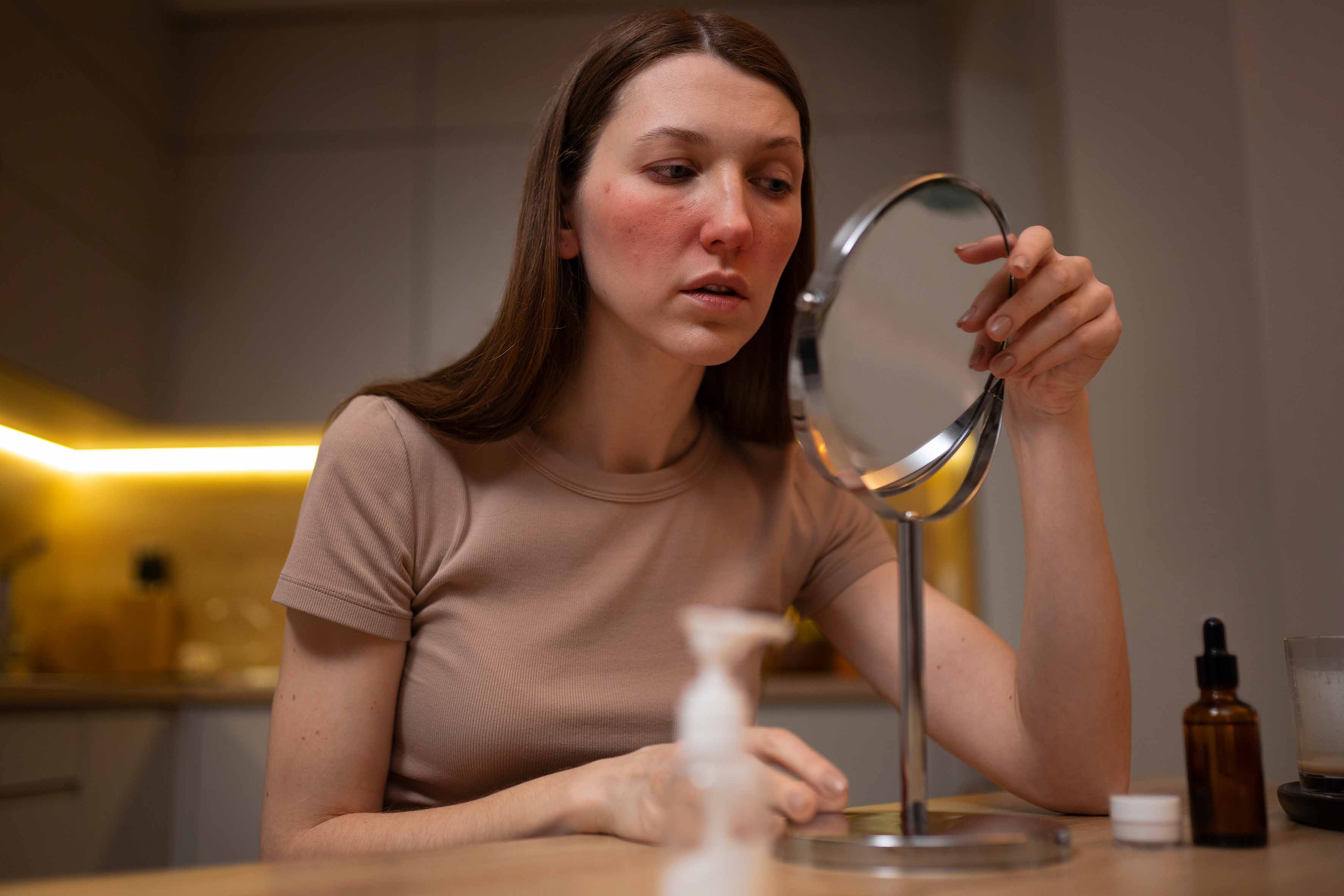
Rosacea (gül hastalığı) is a chronic skin disease characterized by facial redness, vascular dilatations, and inflammatory lesions. The skin of rosacea patients is sensitive and requires special care. According to Assoc. Prof. Dr. Nur Cihan Coşansu, correct skin care plays a critical role in controlling rosacea. In this article, we will share in detail skin care recommendations for rosacea patients.
What Is Rosacea?
Rosacea is a chronic skin disease that affects approximately 5% of the world's population. It generally affects the central part of the face (cheeks, nose, forehead, chin) and is characterized by the following symptoms:
- Facial flushing
- Visible vessels (telangiectasia)
- Inflammatory lesions (papules, pustules)
- Thickening of the skin
- Eye involvement (ocular rosacea)
General Skin Care Principles for Rosacea
1. Gentle Cleansing
The skin of rosacea patients is sensitive, so cleansing should be gentle:
- Use lukewarm water (not hot)
- Mild, fragrance-free cleansers
- Sulfate-free formulas
- Avoid scrubbing
- Dab dry softly
2. Moisturizing
Strengthening the skin barrier is critical:
- Fragrance-free moisturizers
- Containing ceramides
- Containing hyaluronic acid
- Soothing ingredients
- Light texture
3. Sun Protection
Sunscreen is essential:
- Minimum SPF 30
- Mineral content (zinc oxide, titanium dioxide)
- Suitable for sensitive skin
- Daily use
- Reapply
Avoided Triggers
1. Skin Products
- Alcohol-containing products
- Astringents
- Harsh exfoliants
- Strong retinoids
- Aggressive peels
- Salicylic acid (high concentration)
- Glycolic acid (high concentration)
- Witch hazel
2. Environmental Factors
- Strong sunlight
- Extreme temperatures
- Wind
- Dry air
- Air pollution
- Hot baths
- Saunas
3. Diet and Beverages
- Spicy foods
- Hot drinks
- Alcohol
- Caffeine (excessive)
- Cheese (some types)
- Foods containing histamine
4. Lifestyle
- Stress
- Intense exercise
- Lack of sleep
- Smoking
- Hormonal changes
Skin Care Routine
Morning Routine
- Gentle cleansing
- Soothing toner
- Anti-inflammatory serum
- Moisturizer
- Mineral sunscreen
Evening Routine
- Gentle cleansing
- Soothing toner
- Treatment serum
- Moisturizing night cream
- Eye cream (if needed)
Effective Ingredients
1. Niacinamide
- Anti-inflammatory
- Strengthens the skin barrier
- Reduces redness
- Tolerable
2. Centella Asiatica
- Soothing
- Anti-inflammatory
- Skin renewal
- Natural
3. Allantoin
- Soothing
- Moisturizing
- Anti-irritant
- Safe
4. Panthenol (B5)
- Moisturizing
- Soothing
- Skin healing
- Anti-inflammatory
5. Hyaluronic Acid
- Moisturizing
- Provides plumpness
- Strengthens the skin barrier
- Suitable for sensitive skin
6. Green Tea Extract
- Antioxidant
- Anti-inflammatory
- Soothing
- Natural
7. Azelaic Acid
- Anti-inflammatory
- Reduces redness
- Treats acne
- Effective in rosacea

Special Recommendations
1. Makeup
- Mineral makeup
- Fragrance-free
- Hypoallergenic
- Gentle removal
- Green-toned correctors
2. Hair Care
- Gentle shampoos
- Sulfate-free
- Lukewarm water
- Avoid contact with the face
3. Sleep
- Clean pillow
- Cotton pillowcase
- Wash regularly
- Sleep with head elevated
Professional Treatments
1. Topical Treatments
- Metronidazole: Anti-inflammatory
- Azelaic Acid: Effective
- Ivermectin: Demodex
- Brimonidine: Reduces redness
2. Systemic Treatments
- Doxycycline: Antibiotic
- Isotretinoin: Severe cases
- Beta blockers: Reduce flushing
3. Laser/IPL Treatments
- Pulsed Dye Laser: Vascular
- IPL: Reduces redness
- Nd:YAG: Deep vessels
Daily Tips
- Use lukewarm water
- Use a soft towel
- Maintain stress management
- Maintain a healthy diet
- Drink plenty of water
- Maintain regular sleep
- Identify triggers
- Have regular dermatologist check-ups
Diet Recommendations
Recommended Foods
- Omega-3 rich foods
- Antioxidant fruits
- Green leafy vegetables
- Probiotic foods
- Plenty of water
Foods to Limit
- Spicy foods
- Hot drinks
- Alcohol
- Aged cheeses
- Processed foods
Rosacea is a manageable skin disease. With the right skin care, regular dermatologist check-ups, and avoiding triggers, you can keep rosacea under control. Personalized care plans developed with an expert dermatologist are the key to a successful outcome.