
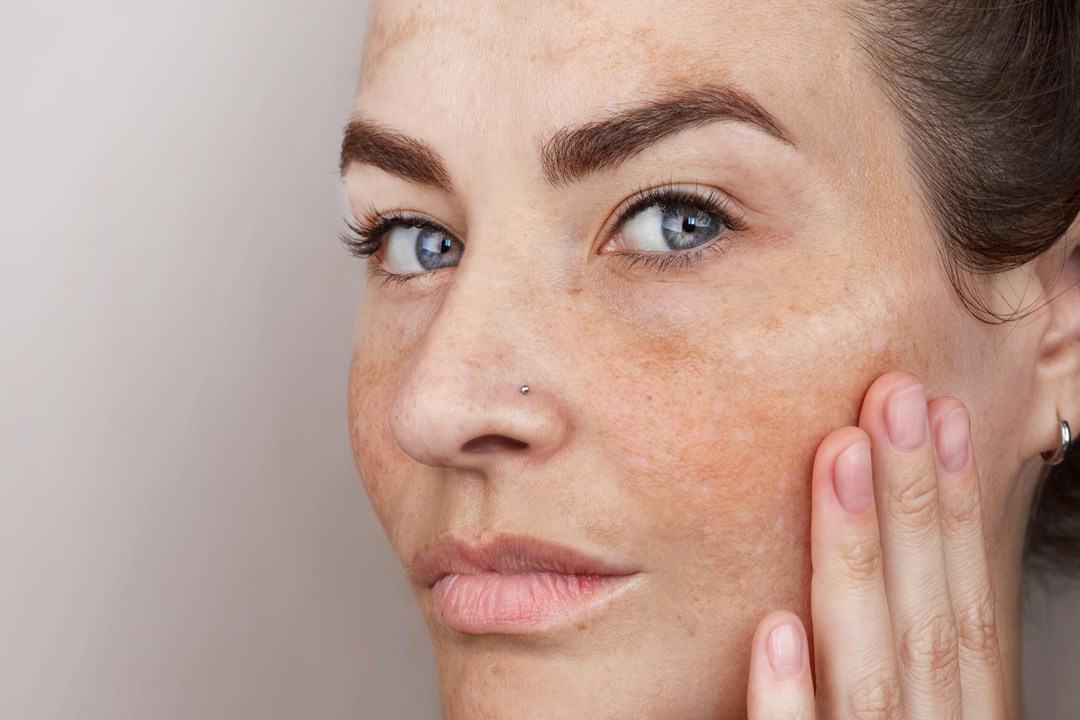
Pigmentation treatment is a dermatological procedure used to reduce skin color irregularities and dark spots. According to research conducted in Turkey, about 14.7% of the population has some form of pigmentation disorder. This condition can affect people not only aesthetically but psychologically.
One of the most effective methods today is laser pigmentation treatment. It can reduce hyperpigmentation due to sun, aging or hormonal changes by up to 80%. However, because not all spots have the same structure, an accurate diagnosis is essential.
Main Causes of Pigmentation
The leading cause of skin color disorders is exposure to UV rays. Long-term sun exposure causes the melanin-producing cells (melanocytes) to overwork. When melanin is distributed unevenly, dark spots appear. Research shows that 90% of skin color changes are caused by sun damage.
Hormonal factors are also important causes of pigmentation. In women, pregnancy and birth control pill use are among the contributors. Menopause and fluctuations in estrogen and progesterone can lead to melasma. Genetic predisposition, aging, acne scars and post-inflammatory hyperpigmentation (PIH) are also common causes.
In addition, some antibiotics and anti-inflammatory drugs make the skin more sensitive to the sun. Stress, air pollution, vitamin B12 deficiency and incorrect cosmetic product use can also increase pigmentation.
Types and Classification of Pigmentation
Pigmentation disorders are examined in two main groups.
- Hyperpigmentation: Increased melanin production leads to darker patches. This group includes:
- Melasma: A chronic pigmentation disorder triggered by genetic, sun and hormonal factors.
- Sun spots (solar lentigo): Light brown spots caused by UV rays,
- Post-inflammatory hyperpigmentation (PIH): Dark marks developing after skin damage,
- Freckles (ephelides): Genetically inherited small spots that darken with sun exposure.
- Hypopigmentation: Decreased melanin production results in lighter areas on the skin. Vitiligo and albinism are the best-known types of hypopigmentation. In vitiligo in particular, melanocytes are destroyed. White patches can also occur after sun exposure or skin trauma.
Before planning laser pigmentation treatment, the depth and type of the spot should be correctly identified to determine which laser system to use.
Pigmentation Treatment Methods
Laser treatment is the gold standard for many hyperpigmentation concerns. This technology uses high-energy, short light pulses to break down melanin pigment, achieving even skin tone. It is particularly suitable for sun spots, freckles, melasma and dark marks left by skin conditions or trauma.
Other methods used include:
- Chemical Peeling: Controlled exfoliation with glycolic, salicylic or TCA acids.
- Enzymatic Peeling: A relatively safer peel for darker skin tones.
- IPL (Intense Pulsed Light): Targets freckles and sun spots with a broad-spectrum light system.
- Fractional CO₂ laser: Effective for superficial pigmentation (freckles, lentigo) and stimulates skin renewal.
Treatments are typically performed in 4-6 sessions at 2-4 week intervals. Creams containing hydroquinone, vitamin C, kojic acid and niacinamide can also improve outcomes.

Post-Treatment Care and Longevity
The skin is sensitive after treatment, so sun protection is the most critical step. SPF 50+ sunscreen should be used daily. The skin should also be cleansed with gentle products and regularly moisturized.
Mild redness and crusting lasting 4-7 days may occur. This is temporary and the skin heals quickly. Makeup, sauna and Turkish baths should be avoided for the first week.
Laser pigmentation treatment provides lasting results, but spots can recur due to hormonal changes or sun exposure. Sun protection, healthy nutrition and adequate water intake play a decisive role in maintaining results.
In conclusion, with the right diagnosis and an appropriate treatment plan, your skin concerns can be left behind. The appearance of your skin will be significantly improved after laser pigmentation treatment.