
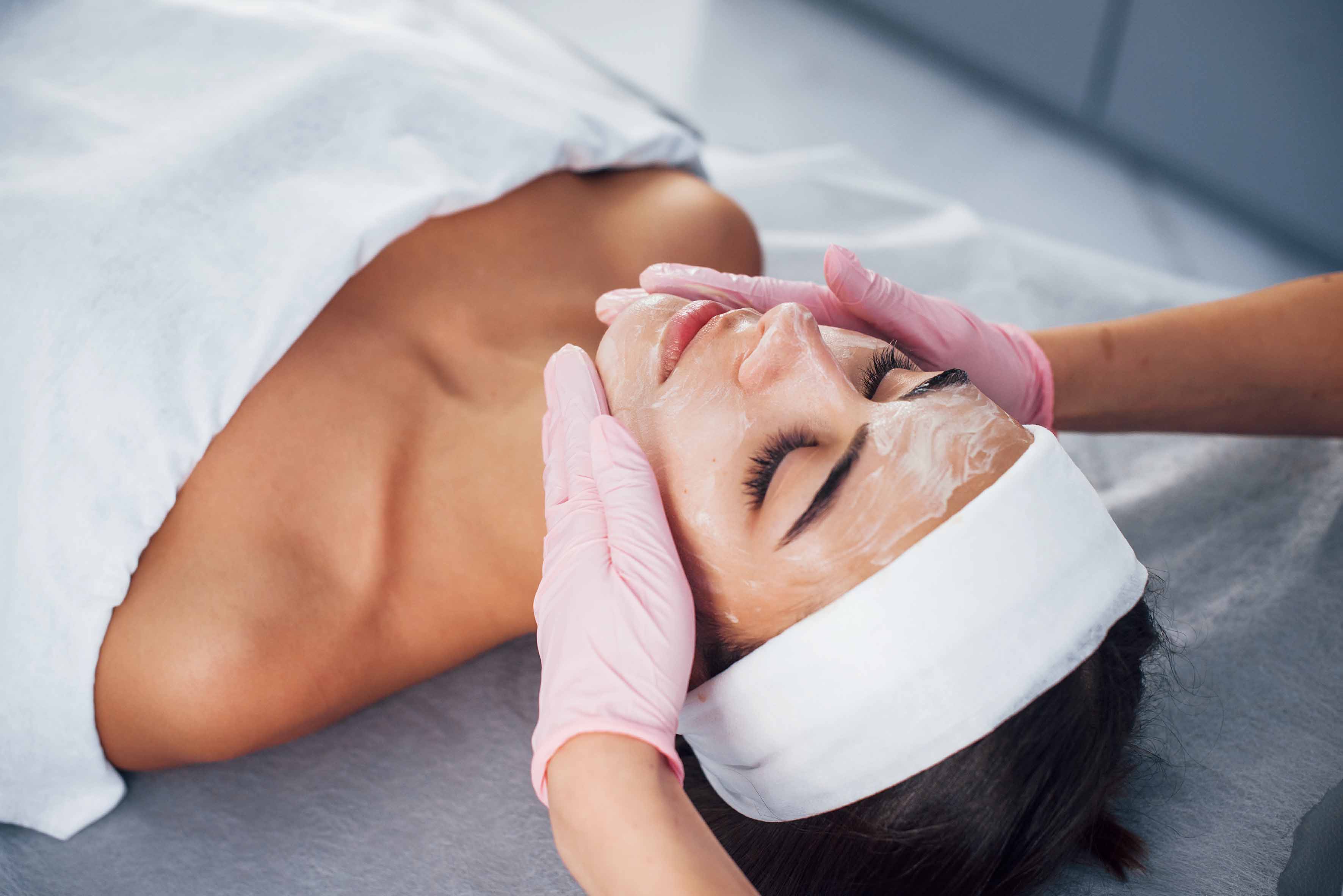
Having bright, smooth skin is a shared goal. Peeling is an indispensable part of skincare for exactly this purpose. By removing dead cells, dirt and excess oil from the skin surface, it gives the skin a younger, more vibrant appearance.
What Is Peeling?
The word peeling means "to strip away" in English and in the cosmetic world refers to removing dead cells from the upper layer of the skin. In effect, it is an important skincare technique that supports renewal and freshness.
The skin naturally renews itself in a 21-28 day cycle. With age, however, this renewal slows and dead cells accumulate on the surface, making the skin look dull, lifeless and rough. Peeling clears the dead cells from the epidermis, revealing the fresh, vibrant cells beneath.
What Does Peeling Do?
With regular use, peeling has many positive effects on skin health and appearance. By removing dead cells from the surface, it brings new cells to light, speeding up renewal and increasing the effectiveness of moisturizing products. It is an effective method for removing pigmentation caused by sun, aging, hormonal changes or pregnancy. It also helps even out tone, reduce oiliness, fade acne scars and shrink pores. Peeling boosts circulation and supports skin oxygenation, and its antibacterial action helps fight skin issues. The result is brighter, smoother skin.
It also helps reduce fine lines and wrinkles caused by loss of collagen and elastin, supporting firmness. Reduction of hyperpigmentation, tightening of enlarged pores and improvement of rough skin texture are other important benefits. With regular use, the skin looks fresher, healthier and more radiant.
Types of Peeling and Their Effects on the Skin
Various types of peeling target different skin concerns. Each acts on a different skin layer to deliver unique results. Choosing the procedure that fits your skin type and concerns is essential for the results you want.
Chemical Peeling
This method uses special solutions applied to the skin to deeply cleanse. Agents such as alpha hydroxy acid, salicylic acid and trichloroacetic acid not only clean the skin but also trigger collagen and elastin production for renewal. Chemical peels are divided into three categories by depth.
- Superficial chemical peeling targets the epidermis and is effective for mild tone irregularities, blemishes and fine wrinkles.
- Medium-depth chemical peeling acts on the epidermis and upper dermis.
- Deep chemical peeling targets the dermis and epidermis along with mid-layer skin cells and is applied in a single session.
Physical Peeling
This is performed using special materials such as sponges and brushes. The dead layer is removed from the skin, resulting in brighter, moister skin. It is especially effective for tightening pores and reviving skin tone.
Laser Peeling
This is a modern method using laser beams. It provides deep cleansing even in areas hard to reach with natural methods, such as around the eyes and lips. Laser devices with different wavelengths can be applied to different skin types. Thulium or fractional laser-based carbon peeling supports collagen production.
Natural Peeling
This is a superficial cleansing procedure using only natural materials. As the gentlest answer to what peeling does, it is ideal for sensitive skin. Algae peeling is also a natural option but should be performed by a specialist.
Peeling Guide by Skin Type
Knowing your skin type is the first step in effective peeling. Each skin type has its own needs and sensitivities, so choosing the right method matters greatly for healthy, glowing skin.
Dry Skin
This type tends to dry out, so products with high alcohol content should be avoided. Products with moisturizing ingredients such as coconut oil, shea butter or ceramides are preferable. For dry skin, peeling should be done no more than once or twice a week, followed by a strong moisturizer. A mix of Turkish coffee, olive oil and honey is an effective DIY peeling mask.

Oily Skin
Oily skin has a higher tolerance than other types. When using products containing alpha or beta hydroxy acids such as salicylic or glycolic acid, peeling can be done up to five times a week. Avoid overdoing it and use a moisturizer afterward.
Normal Skin
Two or three times a week is ideal. Natural ingredients such as granulated sugar, crushed apricot kernels or walnut shells, or products with mild acids, can be used. A brush or loofah can also be used for physical peeling.
Combination Skin
The T-zone is oily and the cheeks are dry in this type, so peeling should be focused on the T-zone. The dry cheeks should be peeled less often and moisturized intensively. Products with different formulas for the cheeks and T-zone are recommended.
Sensitive Skin
Gentle formulations free of fragrance, parabens, sulfates and alcohol should be chosen. Peeling should not be done more than once a week, and should be supported with soothing products that maintain skin balance.
Considerations in Peeling Procedures
Several key points are important for a successful procedure. Chemical peels must be performed by a dermatology specialist under sterile conditions. Treatments not supervised by a doctor can cause prolonged redness, pigmentation, local skin infections, worsening acne and permanent scarring.
Peeling is not recommended for people allergic to peeling ingredients, pregnant or breastfeeding women, those with open wounds or active infections in the area, people who have had isotretinoin treatment in the last 6 months, those who have been sun-exposed in the last 2 weeks, or those with dermatological conditions such as vitiligo.
Post-procedure points to watch:
- Never pick the crusts off peeling skin to avoid scarring.
- Tingling, burning, itching, dryness and redness are normal and usually subside within 2-3 days.
- The skin becomes more sensitive afterward, so a high-SPF sunscreen should be used for 3 months.
- Avoid makeup in the first 24 hours; afterward, prefer mineral-based products.
- Use soothing and moisturizing products for 1-2 weeks.
- Avoid strenuous exercise, dry sauna, steam room and pools for 1-2 days.
- Avoid additional exfoliating products (scrubs, brushes or peeling cleansers) for 3-4 days.
For the face, sessions are typically planned every 2-4 weeks, averaging 6 sessions. However, the interval should be adjusted to skin sensitivity and treatment intensity. Initial sessions may be 2 weeks apart, but after repeat treatments the skin may need longer to renew.
In conclusion, choosing the right method and following expert advice is crucial for achieving the results you want. Don't forget - after a peeling procedure, regular sunscreen use and a moisturizing skincare routine will increase the longevity of the results.