
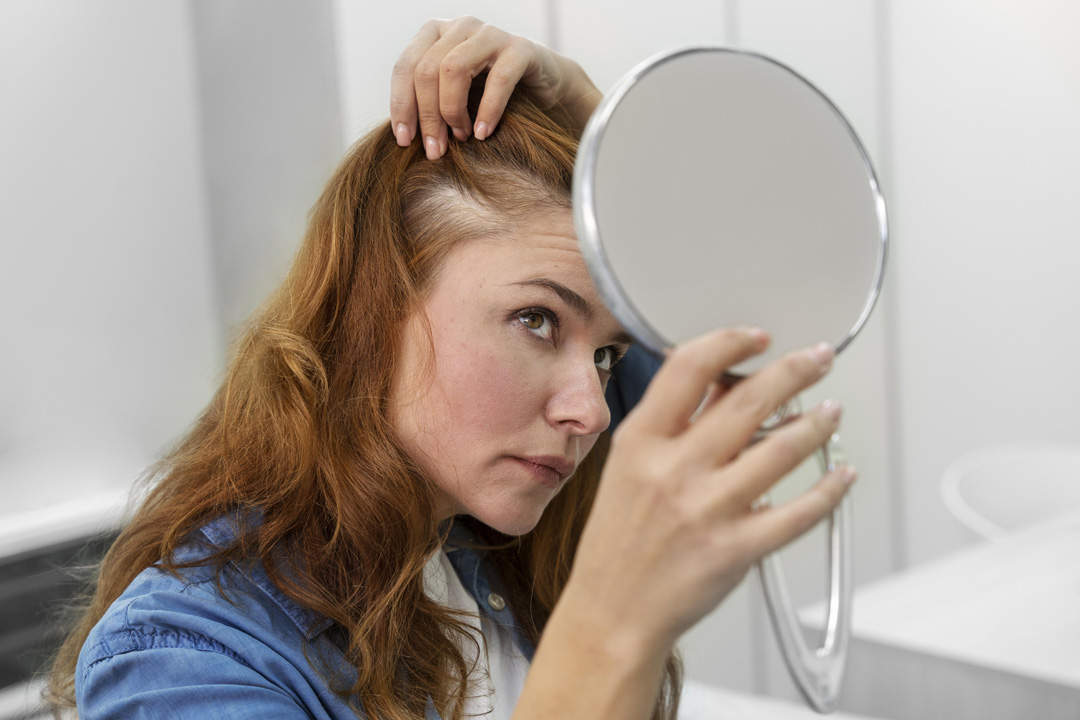
Male pattern hair loss is one of the most common hair loss types and affects millions of men worldwide. According to Assoc. Prof. Dr. Nur Cihan Coşansu, modern medicine offers many effective methods that can successfully treat this condition. In this article, we will examine modern treatment options for male pattern hair loss in detail.
What Is Male Pattern Hair Loss?
Male pattern hair loss (androgenetic alopecia) is a genetically predisposed hair loss type characterized by sensitivity of hair follicles to the hormone DHT (dihydrotestosterone). It typically begins around the hairline and crown of the head and progresses gradually.
Causes of Male Pattern Hair Loss
- Genetic Factors: Family history is the most important factor.
- Hormonal Effects: DHT sensitivity
- Age: Increases with age
- Stress: Triggers hair loss
- Nutrition: Vitamin and mineral deficiency
- Lifestyle: Smoking, sleep disorders
Modern Treatment Methods
1. Medical Treatments
Finasteride
Finasteride is the most effective oral medication for male pattern hair loss. It inhibits DHT production and prevents hair loss. It should be used daily.
Minoxidil
Minoxidil is a topical solution that stimulates hair follicles and promotes hair growth. It is generally applied 2 times a day.
Dutasteride
Dutasteride is a more potent DHT inhibitor and is used in selected patients.
2. PRP Treatment
PRP (Platelet-Rich Plasma) stimulates hair follicles using growth factors from the patient's own blood. It is applied in sessions of 3-6 months apart. PRP stimulates hair roots and supports growth. However, it alone does not stop all hair loss and is generally applied together with other treatments.
3. Mesotherapy
Hair mesotherapy is a method of delivering vitamins, minerals, and growth factors directly to the scalp. Generally applied in 6-8 sessions.
4. Hair Transplantation
Hair transplantation provides a permanent solution. With modern FUE and DHI techniques, natural results are achieved. Performed under local anesthesia. Aftercare protocols recommended by the physician must be fully followed after hair transplantation. Particularly in the first weeks, care must be taken against the risk of infection since the scalp is sensitive.
5. Laser Therapy
Low-level laser therapy (LLLT) stimulates hair follicles and promotes hair growth. It is applied at home or in clinics.

New Generation Treatments
1. JAK Inhibitors
JAK inhibitors, used for autoimmune hair loss, are entering male pattern hair loss research.
2. Stem Cell Therapy
Stem cell therapy has the potential to regenerate hair follicles. Research is ongoing.
3. Exosome Therapy
Exosome therapy stimulates hair follicles using cellular communication factors.
Selection of Treatment Plan
The treatment plan varies based on the following factors:
- Degree of hair loss
- Age
- General health status
- Patient's preferences
- Budget
- Time
Things to Pay Attention to During Treatment
- Be patient (results take time)
- Use medications regularly
- Maintain a healthy diet
- Quit smoking
- Maintain stress management
- Have regular check-ups
Lifestyle Recommendations
- Balanced diet
- Regular exercise
- Quality sleep
- Stress management
- Avoid smoking
- Limit alcohol
- Limit hair dye
Male pattern hair loss can be effectively treated with modern medicine. With personalized treatment plans, you can solve your hair loss problems and gain a more confident appearance. The right treatment selection in consultation with an expert dermatologist is the key to a successful outcome.