
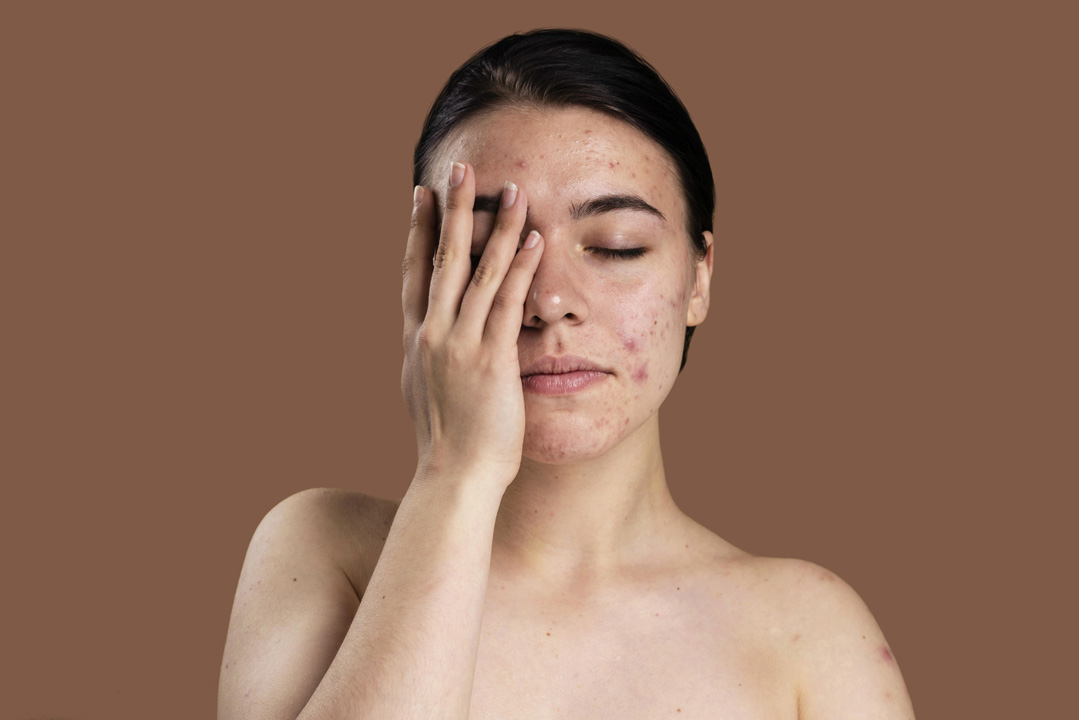
Hormonal acne is a type of acne caused by hormonal changes in the body and is common in adults. It is generally seen in the jaw line, chin, and around the mouth. According to Assoc. Prof. Dr. Nur Cihan Coşansu, hormonal acne can be effectively treated with the right approach. In this article, we will examine in detail the treatment methods of hormonal acne.
What Is Hormonal Acne?
Hormonal acne is acne formation caused by androgen hormones increasing sebum production in the skin. It is generally seen between the ages of 20-40 and is more common in women.
Causes of Hormonal Acne
- Menstrual Cycle: Premenstrual flare-ups
- Polycystic Ovary Syndrome (PCOS): Androgen excess
- Pregnancy: Hormonal changes
- Menopause: Estrogen decrease
- Stress: Cortisol increase
- Birth Control Pills: Hormonal effect
- Diet: Sugar, dairy products
- Lack of Sleep: Hormonal imbalance
Symptoms
- Pimples in the jaw and chin area
- Pimples around the mouth
- Painful, inflammatory lesions
- Cyclical flare-ups
- Resistance to treatment
- Deep nodules
- Pigmentation after scarring
Diagnosis
1. Clinical Examination
The dermatologist examines the skin in detail. Determines the type and severity of acne.
2. Hormonal Tests
- Testosterone
- DHEA-S
- Estrogen
- Progesterone
- LH/FSH
- Insulin
3. Ultrasound
Ovarian ultrasound may be needed to evaluate for PCOS.
4. Other Tests
- Blood sugar
- Thyroid function
- Vitamin D
Treatment Methods
1. Topical Treatments
Retinoids
- Tretinoin: Highest effect
- Adapalene: Sensitive skin
- Tazarotene: Strong effect
Benzoyl Peroxide
- Antibacterial
- Anti-inflammatory
- Cleanses pores
Salicylic Acid
- Cleanses pores
- Reduces inflammation
- Renewal
Topical Antibiotics
- Clindamycin
- Erythromycin
- Combined formulas
2. Hormonal Treatments
Combined Birth Control Pills
- Suppress androgens
- Regulate menstrual cycle
- Reduce acne
- Long-term use
Spironolactone
- Androgen blocker
- Effective in women
- Specifically for hormonal acne
- Long-term use
Anti-androgens
- Cyproterone acetate
- Finasteride
- Dutasteride

3. Systemic Antibiotics
- Doxycycline
- Minocycline
- Tetracycline
- Short-term use
4. Isotretinoin (Roaccutane)
- Severe cases
- Permanent solution
- Side effects
- Strict monitoring
5. Dermatological Treatments
Chemical Peeling
- Salicylic acid peel
- Glycolic acid peel
- Effective on acne and scars
Laser/Light Treatments
- Pulsed Dye Laser
- IPL
- Blue light therapy
- Reduce inflammation
Microneedling
- Acne scars
- Skin renewal
- Collagen production
PRP Treatment
- Natural treatment
- Skin renewal
- Anti-inflammatory
Lifestyle and Diet
1. Diet
- Low glycemic index
- Limit dairy products
- Sugar restriction
- Antioxidant foods
- Omega-3
- Plenty of water
2. Stress Management
- Meditation
- Yoga
- Exercise
- Hobbies
- Adequate sleep
3. Sleep
- 7-9 hours
- Quality sleep
- Regular hours
- Hormonal balance
4. Exercise
- Regular exercise
- Cardio
- Improves circulation
- Reduces stress
Daily Care
Morning
- Gentle cleansing
- Salicylic acid toner
- Niacinamide
- Light moisturizer
- Non-comedogenic sunscreen
Evening
- Double cleansing
- Retinoid (gradually)
- Treatment cream
- Light moisturizer
Things to Pay Attention to
- Do not pop pimples
- Use sunscreen
- Choose non-comedogenic products
- Continue treatment regularly
- Maintain stress management
- Don't skip check-ups
- Maintain a healthy diet
Treatment Duration
Hormonal acne treatment generally takes a long time:
- Topical: 8-12 weeks for effect
- Hormonal: 3-6 months
- Isotretinoin: 4-8 months
- Maintenance: Continuous
Scarring
Scars left behind by hormonal acne can be treated:
- Chemical peeling
- Microneedling
- Laser treatments
- Subcision
- Dermabrasion
- Filler injections
Hormonal acne is a treatable skin condition. With the right diagnosis and personalized treatment plan, you can solve your acne problems. The most appropriate treatment for you should be determined in cooperation with an expert dermatologist. Don't forget, patience and consistency are the keys to a successful outcome.