
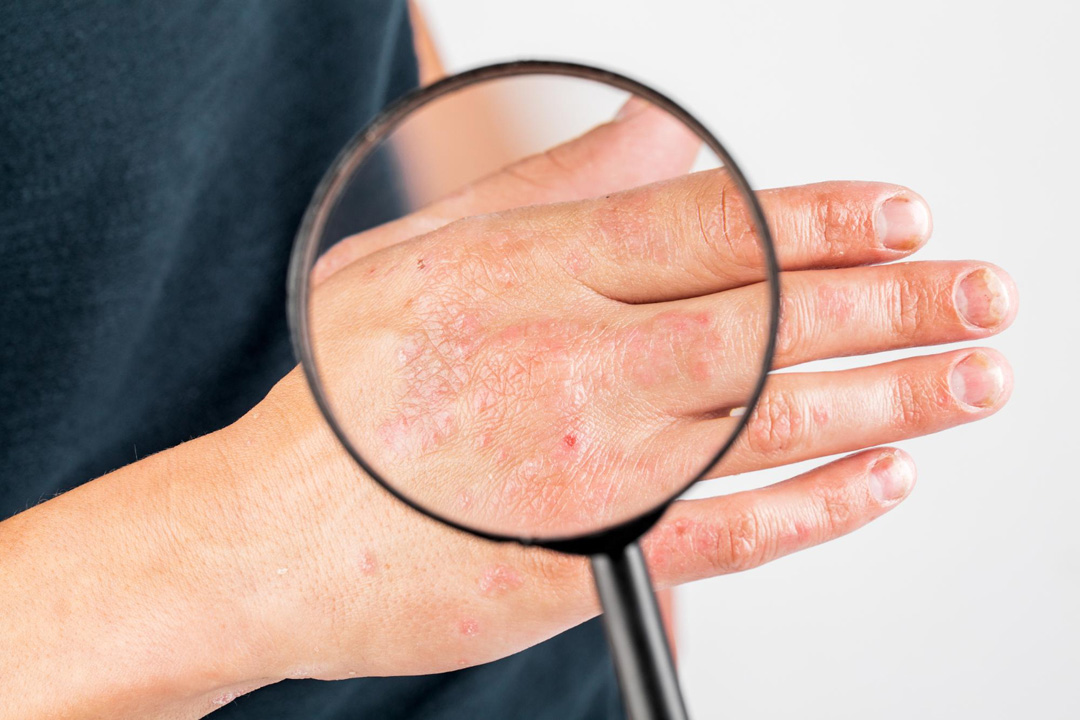
Psoriasis is a chronic condition that appears when skin cells renew themselves much faster than normal. Psoriasis affects at least 60 million people worldwide and significantly disrupts quality of life. Although it is not yet possible to eliminate this condition completely, both existing lesions and the frequency of flares can be reduced with topical and systemic treatments.
Psoriasis is an inflammatory disease of the skin. Skin renewal that normally takes four weeks happens in a few days in this condition, leading to scaly patches known as psoriasis plaques. Psoriasis progresses with periods of flares and remission.
In this article we address the most asked questions about psoriasis, triggers and treatment methods from a dermatologist's perspective.
What Is Psoriasis?
Psoriasis is a chronic condition where skin cells renew much faster than normal. As a result, thick, scaly, red plaques form on the skin surface. The condition is more common on the knees, elbows, scalp and lower back, but some forms affect the entire skin. Genetic predisposition and immune system disorders are among the most important causes.
It is not contagious and is an immune-based (autoimmune) condition. Psoriasis is a lifelong chronic skin disease, but appropriate treatment and regular care can reduce flares. With these, patients can live more comfortably.
Causes and Triggers of Psoriasis
Psoriasis arises from a combination of genetic and environmental factors. Family history increases risk. Triggers include stress, trauma, climate change, infections, medications and smoking. An overreactive immune system causes skin inflammation, which makes plaques more prominent and worsens symptoms. Avoiding triggers is important in managing psoriasis.
Persistence and Recovery Process
Psoriasis is a chronic condition that cannot be eliminated but can be controlled. The disease flares and subsides periodically. Some patients experience long remissions, and symptoms can be largely reduced with treatment.
Patience and regular treatment are essential during recovery. Proper medication and skincare ease plaques. Sunlight and balanced moisture support healing. Patients should adopt dermatologist recommendations as a long-term routine.
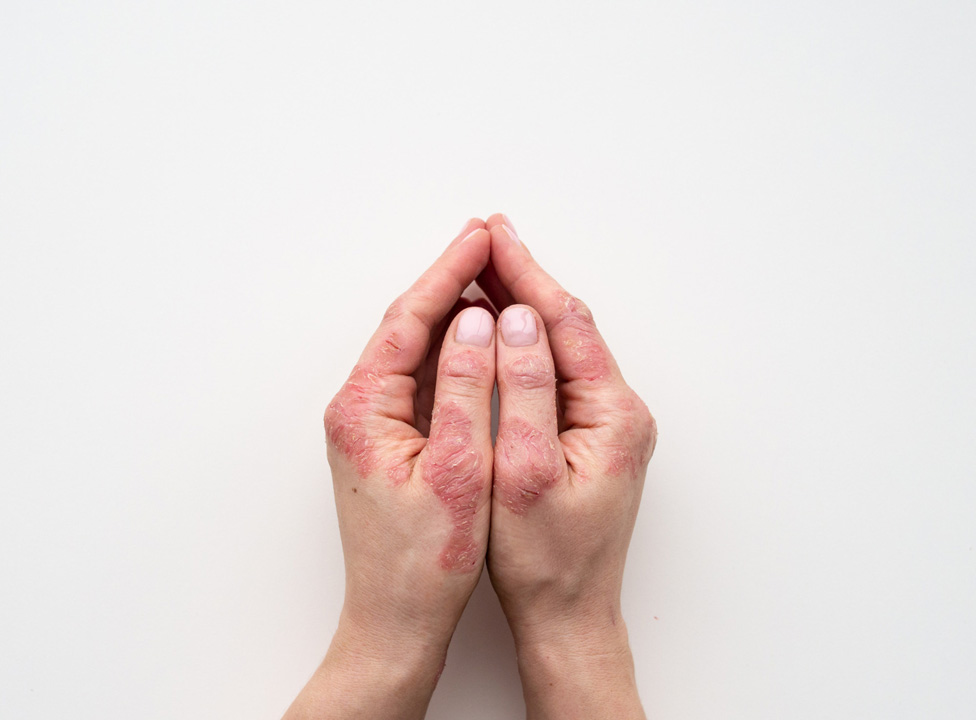
Treatment Methods Used in Psoriasis
Psoriasis treatment varies by type and severity. Mild cases are treated with moisturizers and cream-form medications. Moderate to severe cases may require phototherapy, systemic medications and biologic treatments. These methods reduce inflammation and regulate the renewal process.
Biologic medications have become one of the most effective options in recent years, targeting the immune system at the cellular level. The treatment plan must be personalized by an expert dermatologist. Regular check-ups provide lasting results in disease management.
Psoriasis is a lifelong chronic condition, but with proper treatment and approach, symptoms can be successfully controlled. As dermatologists we encourage patients to play an active role in their treatment. Avoiding triggers is also important.