
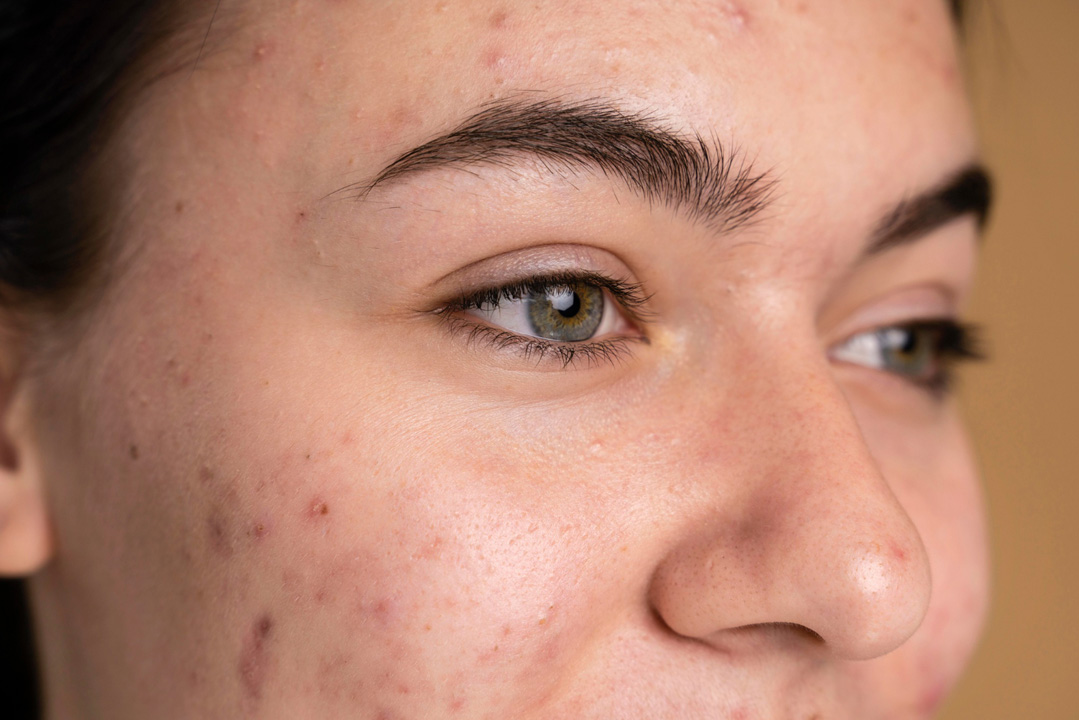
Skin pigmentation is a common skin problem that many people encounter. This problem can be effectively resolved with laser pigmentation treatment. During the pigmentation treatment process, the treatment usually varies between 3 and 5 sessions. Laser pigmentation treatment is a method that intervenes in pigment differences in the skin. The recovery time after the procedure is kept quite short. In addition, the number of treatment sessions also varies according to the type of skin pigmentation. Depending on the case, it can be applied in 4 to 8 sessions.
What Is Laser Pigmentation Treatment, and How Does It Work?
Laser pigmentation treatment is a dermatological application used to correct pigmentation problems in the skin. Uneven tone, sun spots, and age spots are treated with this method. The answer to the question of what laser pigmentation treatment is is that high-energy light beams target melanin pigment.
In this treatment, the laser beam penetrates deeply without damaging the skin surface and breaks down the pigments. The broken-down melanin is naturally eliminated by the body's lymphatic system. Thus, the pigmentation on the skin lightens and disappears over time. During pigmentation treatment, melanin accumulations in the lower layers of the skin are targeted. Session times are usually 10-15 minutes, and the number varies according to skin structure.
A different type of laser treatment is used for each skin pigmentation. While light-based energies such as IPL/BBL together with Q-Switch 532 nm Nd:YAG lasers are effective in superficial pigmentation (freckles, sun spots), Q-Switch 1064 nm Nd:YAG or Pico lasers are more effective in deeper and more complex types of pigmentation such as melasma.
Things to Know Before Laser Pigmentation Treatment
Some important matters need to be known before laser pigmentation treatment begins. First, it is of great importance to determine why the pigmentation formed and whether it is a sign of an illness. For this reason, a detailed skin evaluation must be performed by a dermatologist before treatment.
Winter months are a much more ideal time for pigmentation treatment than summer months. Because sun rays can cause pigmentation to form on our skin. Pigmentation can also darken when exposed to the sun after treatment. The treatment protocol can usually vary between 6-10 sessions. The intervals between sessions can be determined between one week and 20-30 days.
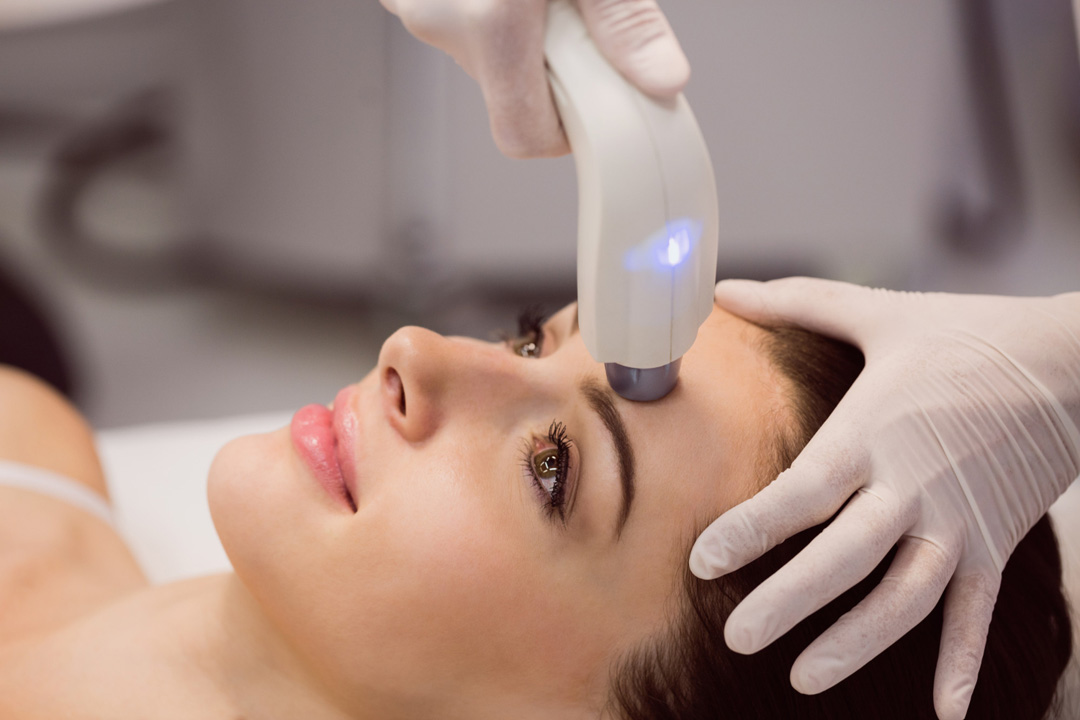
Things to Know About the Treatment Process and Results
In the post-treatment period, some changes will be observed in your skin. After laser pigmentation treatment, pigmentation darkening occurs in the first 1-2 days. Then, within 7-10 days, the pigmentation gradually begins to lighten. The results of pigmentation treatment generally begin to be noticeably visible from the second session onward. 80 percent of freckles and age spots disappear in a single session. However, pigmentation such as melasma requires 4-6 sessions.
Protecting your skin from the sun is essential after treatment. Otherwise, the risk of new pigmentation formation and darkening of existing pigmentation increases. It is important to use sunscreens with at least SPF 30 every day, including in winter months. No makeup should be applied for the first 24-48 hours, and the skin should be gently cleansed. In addition, hot environments such as Turkish baths and saunas should be avoided.
In conclusion, pigmentation problems in the skin can be effectively eliminated with laser pigmentation treatment. The treatment plan is customized according to each patient's skin structure. Therefore, evaluation by a specialist dermatologist is essential. The success rate is increased when pre- and post-treatment care instructions are followed. Starting treatment in winter months provides better results.