
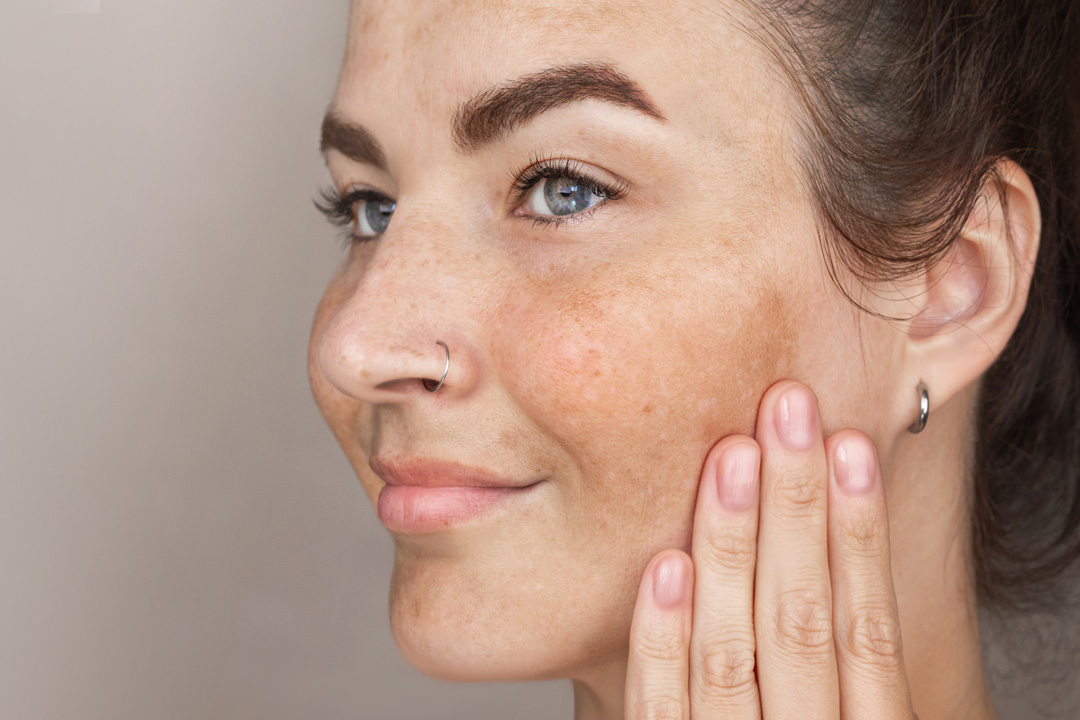
Uneven skin tone is the formation of irregularities in skin color on the face or body. This condition manifests itself with problems such as hyperpigmentation, hypopigmentation, or freckles. Sun rays, hormonal changes, aging, and skin injuries cause uneven skin tone. In the field of dermatology, different treatment methods are used to even out skin tone.
Importance of Combined Methods
Single treatment methods may not be sufficient in some cases. Therefore, using combined methods in uneven skin tone gives effective results. Combined treatment provides positive effects on both the surface and deep layers of the skin by applying different techniques together. According to Assoc. Prof. Dr. Nur Cihan Coşansu, personalized treatment plans provide both safe and long-term benefits.
Combined Methods Used in Uneven Skin Tone
1. Enzymatic Peeling and Laser Treatment
Enzymatic peeling ensures the removal of dead cells from the upper layer of the skin. After peeling, melanin production in the skin is controlled with laser treatments and spots are reduced. This method is quite effective for sun spots and dark spots.
2. Mesotherapy and Topical Treatments
With mesotherapy, vitamins, antioxidants, and brightening substances are applied to the skin. This application supported by topical creams contributes to evening out skin tone. It also helps the skin stay moist and healthy.
3. Laser and IPL (Intense Pulsed Light) Applications
Laser and IPL technologies target pigmentation irregularities in the skin. These methods help balance skin color by reducing melanocyte activities. When used in combination, the success rate increases.
4. Medical Treatments
Medical treatments are used alone or in combination with other treatment methods, especially in the treatment of melasma-type hyperpigmentation.
Things to Consider in Uneven Skin Tone
- Sunscreen Use: The skin becomes sensitive to the sun after combined treatment. Therefore, sunscreen with high protection factor should be used daily.
- Professional Follow-up: The treatment process should progress under dermatologist control. Application intervals should be planned according to the person.
- Avoidance of Irritants: Harsh products and frequent exfoliation should be avoided.
- Adequate Moisturizing: Skin moisture balance should be supported.