
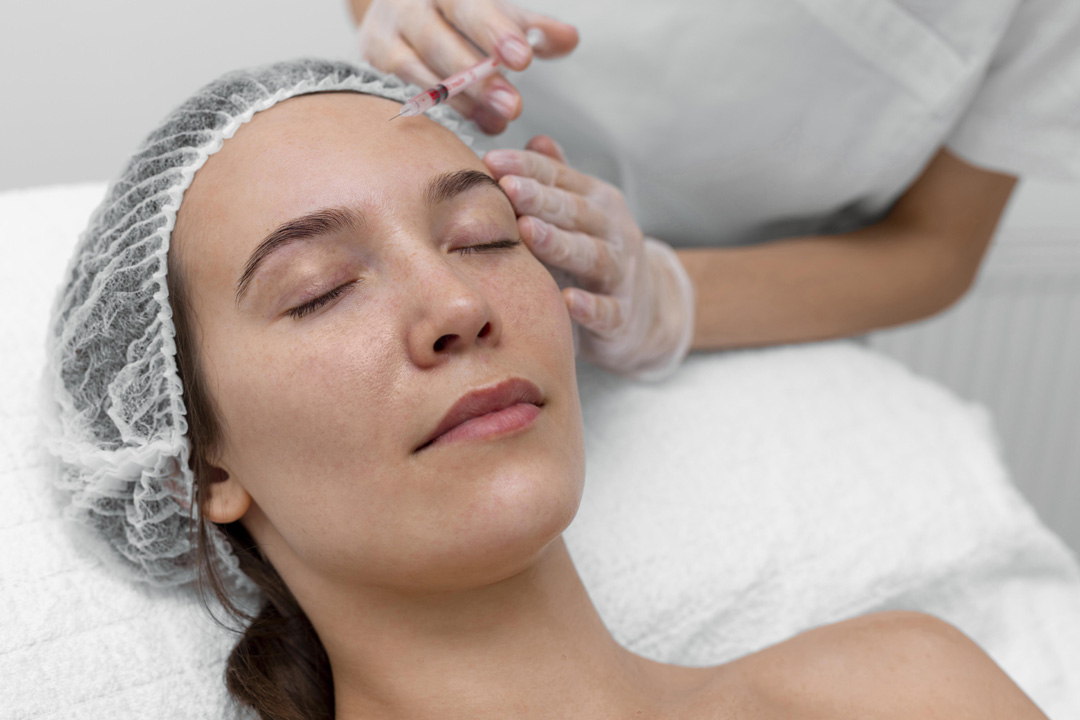
Stubborn skin pigmentation is among the common dermatological problems affecting many people's quality of life. Particularly persistent and recurrent pigmentation can be resistant to single-modality treatments. In such cases, combination treatment methods planned according to skin structure and pigmentation type yield more successful results. According to Assoc. Prof. Dr. Nur Cihan Coşansu, using more than one treatment approach together both accelerates the treatment process and contributes to maintaining skin health.
Causes and Types of Stubborn Skin Pigmentation
Skin pigmentation usually results from irregularities in melanin production. Sun exposure, hormonal changes, aging, and certain dermatological diseases are influential in the formation of pigmentation.
The most common pigmentation types are:
- Melasma
- Lentigo (sun spots)
- Post-inflammatory hyperpigmentation
- Seborrheic keratosis (age spots)
Since each pigmentation type requires different treatment, accurate diagnosis is of great importance.
Why Are Combination Treatments Necessary?
Single-modality treatments may not be sufficient in some cases. Particularly in resistant pigmentation such as melasma, more than one method must be used together.
Combination treatments:
- Increase treatment effectiveness
- Provide faster results
- Reduce recurrence of pigmentation
- Keep the risk of side effects under control
Assoc. Prof. Dr. Nur Cihan Coşansu recommends the conscious combined use of different methods for both superficial and deep pigmentation.
Combination Treatment Methods Used for Stubborn Skin Pigmentation
Stubborn skin pigmentation may not always respond at the desired level with a single treatment method. For this reason, combination treatment approaches are preferred in dermatological applications. Planning more than one method together both targets the pigmentation in different layers and increases the effectiveness of the treatment process. This approach offers more successful results, especially in resistant pigmentation types such as melasma and post-inflammatory hyperpigmentation.
Combination treatments aim not only to reduce the appearance of existing pigmentation but also to improve skin quality and prevent recurrence. In this process, applying the correct methods in the appropriate sequence is of great importance. The combinations that stand out in current practice are as follows:
1. Topical Treatment + Laser Therapy
Topical treatment and laser applications used together are one of the most frequently preferred combinations in pigmentation treatment. Active ingredients in topical products such as retinoic acid and hydroquinone increase collagen production and help balance skin tone by suppressing melanin production. These products reduce the superficial appearance of pigmentation with regular use.
Laser treatment, on the other hand, targets melanin pigment by penetrating deeper layers and breaks it down. Thanks to the combined application of these two methods, both superficial and deep pigmentation problems can be addressed simultaneously. The prominent effects of this combination can be listed as follows:
- Bringing melanin production under control
- Faster reduction in the appearance of pigmentation
- Achieving a more homogeneous and balanced skin tone
This approach offers effective results, especially in cases of melasma and post-inflammatory hyperpigmentation.
2. Chemical Peeling + Photoprotection
Chemical peeling applications accelerate the renewal process by allowing the skin surface to peel in a controlled manner. This procedure helps remove the upper layers where pigment has accumulated and creates a brighter appearance on the skin. With regular peeling applications, the skin tone gradually becomes even.
However, after peeling, the skin becomes more sensitive to the sun. For this reason, photoprotection is an indispensable part of the treatment process. With the use of sunscreen, the formation of new pigmentation is prevented and the permanence of the current treatment is increased. The main benefits of this combination are:
- Renewal of the skin surface and lightening of pigmentation
- Prevention of sun-induced pigmentation
- Preservation and long-term continuation of treatment results
The combined application of these two steps provides sustainable improvement in pigmentation treatment.
3. Mesotherapy + Topical Treatment
In mesotherapy application, active substances that support skin renewal are injected directly under the skin. Thanks to this method, vitamins, antioxidants, and pigmentation-lightening ingredients are delivered directly to the target area. Thus, the skin cells' renewal process is accelerated and a reduction in the appearance of pigmentation is achieved.
Combining mesotherapy with medical lightening treatments used either orally or topically increases the effectiveness of the treatment.
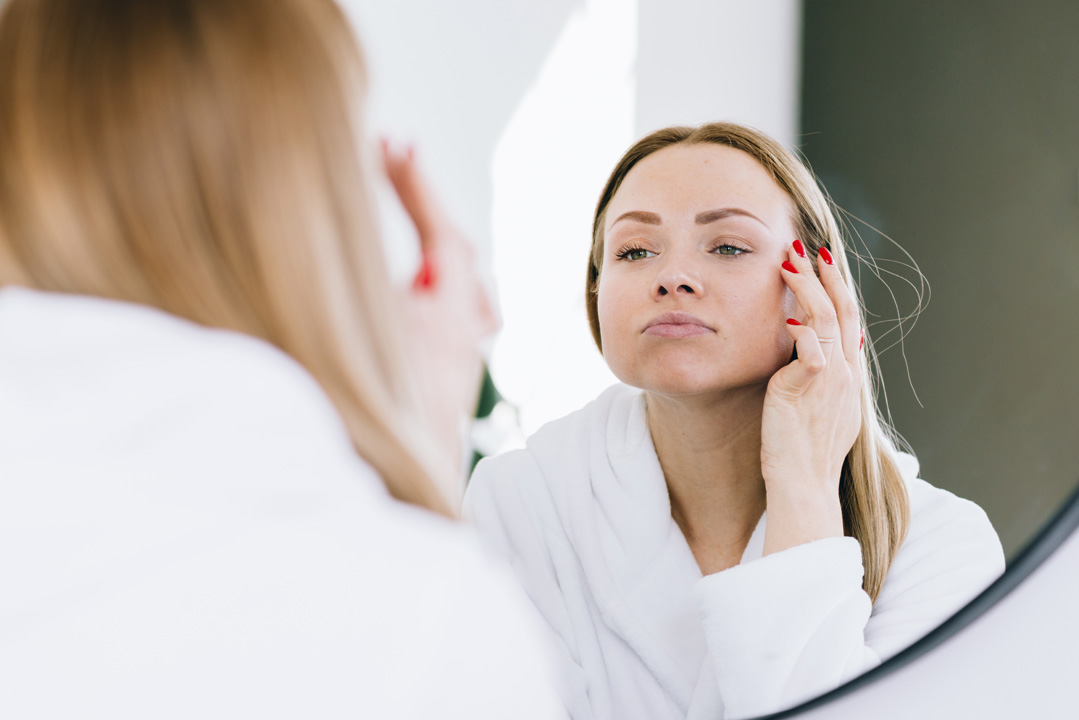
4. Laser + PRP (Platelet Rich Plasma)
Among the combined treatments, PRP application after laser stands out as a powerful combination that supports the skin's repair process. While the laser procedure breaks down the targeted pigments, PRP application accelerates the healing mechanisms in the skin. Thanks to its structure rich in growth factors, PRP supports the renewal of skin cells.
Considerations During the Treatment Process
- A dermatological evaluation should be performed before treatment
- The use of sunscreen should not be neglected
- The treatment process requires patience
- Regular checkups and follow-up are important
For stubborn skin pigmentation, combination treatment methods offer more effective and long-lasting results compared to single-modality treatments. According to Assoc. Prof. Dr. Nur Cihan Coşansu, treatment programs planned according to skin type provide successful results from both aesthetic and dermatological perspectives. Sunscreen use and regular follow-up are the most important supporters of treatment success.