
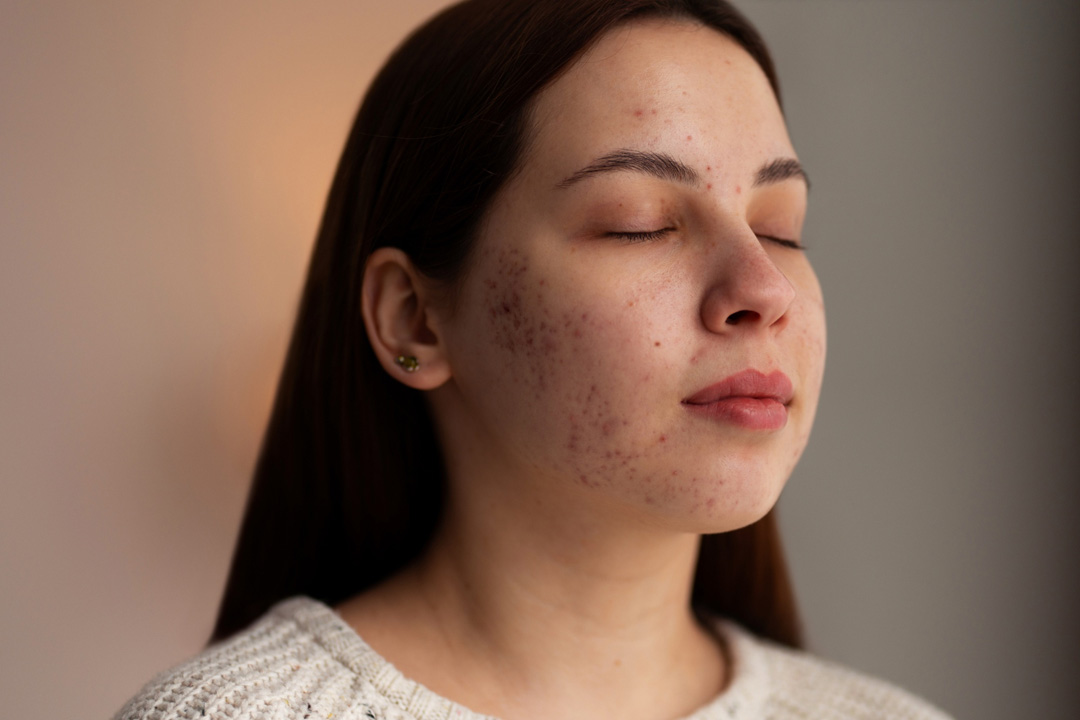
Acne scarring is a skin problem that is common not only during adolescence but also in adulthood. Acne that is not properly treated can leave permanent scars on the skin. Mild acne usually heals without leaving a mark. On the other hand, deep and inflammatory lesions often lead to the formation of acne scars. These scars develop in different ways depending on the person's skin structure and healing process.
Acne scar treatment aims to reduce the appearance of indented or raised scars on the skin. The average treatment duration is 4-6 months. However, the first results are usually noticed within 2-8 weeks. In clinical applications, personalized acne scar treatment protocols are created based on scientific principles. This way, the most suitable method for the skin structure is determined and the renewal process is supported.
What Is Acne Scarring and Why Does It Form?
Acne scars are indented or raised scars formed as a result of permanent damage to the skin tissue. These scars develop similarly to other wound scars. Particularly inflammatory acne caused by clogging of pores with oil and dead cells leads to deep skin damage. In cystic acne, this inflammation is much more severe and causes very deep and permanent scars due to damage in the deep layers of the skin. Although the body tries to repair by increasing collagen production during this process, the skin does not always return to its original smooth state.
To understand what acne scarring is, it is very important to know the risk factors. Squeezing or scratching pimples is one of the leading factors that increase the risk of scar formation. Genetic predisposition and hormonal imbalances (especially excess androgens) also play a role in acne development. These factors increase sebum production and pave the way for pore clogging. Therefore, before planning acne scar treatment, treatment must be started in the early stages. This significantly reduces the risk of scarring and supports skin renewal.
Types and Symptoms of Acne Scars
Acne scars are examined in two main groups according to their appearance on the skin: atrophic (indented) and hypertrophic (raised) scars. Atrophic scars constitute the vast majority of all acne scar cases and arise from collagen loss. There are three subtypes:
- Icepick scars: Narrow, deep, "V"-shaped pits; usually 1-2 mm wide.
- Boxcar scars: Sharp-edged, "U"-shaped, round or oval crater-like scars.
- Rolling scars: Create a wavy appearance on the surface and are defined by soft-transitioning "M"-shaped depressions.
Hypertrophic and keloid scars, on the other hand, develop above the skin surface as raised marks. Hypertrophic scars are pink-toned and result from excessive collagen production. Keloids appear as more prominent bumps that extend beyond the wound boundaries. Additionally, post-inflammatory erythema (red marks) and post-inflammatory hyperpigmentation (brown spots) are among the color changes seen after acne. Acne scar treatment is planned according to scar type. However, the most effective approach is to start acne treatment in the early stages before scars form.
What Are the Treatment Methods?
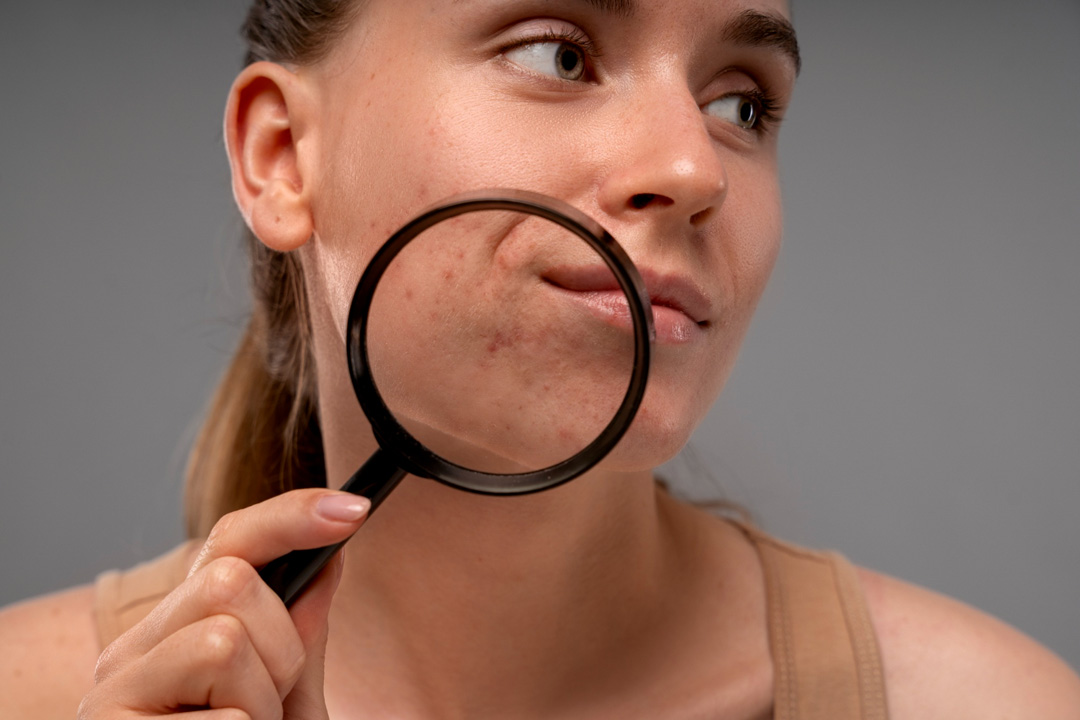
Acne scar treatment is an advanced dermatological process where different techniques can be used in combination today. Expert dermatologists determine the most appropriate method according to scar type and skin structure.
- Subcision is a method of releasing under-skin adhesions caused by acne scars. This way, indented scars become more superficial and respond better to other treatments.
- Mesotherapy is applied by injecting special-content cocktails under the skin and reduces the appearance of acne scars.
- Chemical peeling promotes renewal by removing dead cells on the skin surface; it is especially effective in treating superficial acne scars.
- Laser applications, especially ablative ones, increase collagen production and renew the skin tissue. In particular, fractional CO₂ laser can be applied 2-4 sessions per year for deep atrophic (indented) scars. Vascular lasers (Pro Yellow/KTP/Nd:YAG) and light treatments (IPL/BBL) are effective in treating pink-red scars in particular. By lightening the color of these scars, they reduce inflammation in early stages and prevent scars from deepening.
- Additionally, dermal filler treatments balance the skin surface by filling under the indented acne scars.
- Gold needle (Virtua RF®) supports scar tissue repair by increasing collagen production.
- PRP treatment completes the healing process by accelerating skin renewal. Acne scar treatment is planned according to the person's skin type and scar depth. In some cases, these methods are combined for the most effective results.
Early intervention significantly increases the success rate in this treatment. The patient's age, skin type, and scar type are determining factors in treatment. A dermatology specialist must be consulted to choose the right treatment. The treatment process requires patience, but results appear over time.